
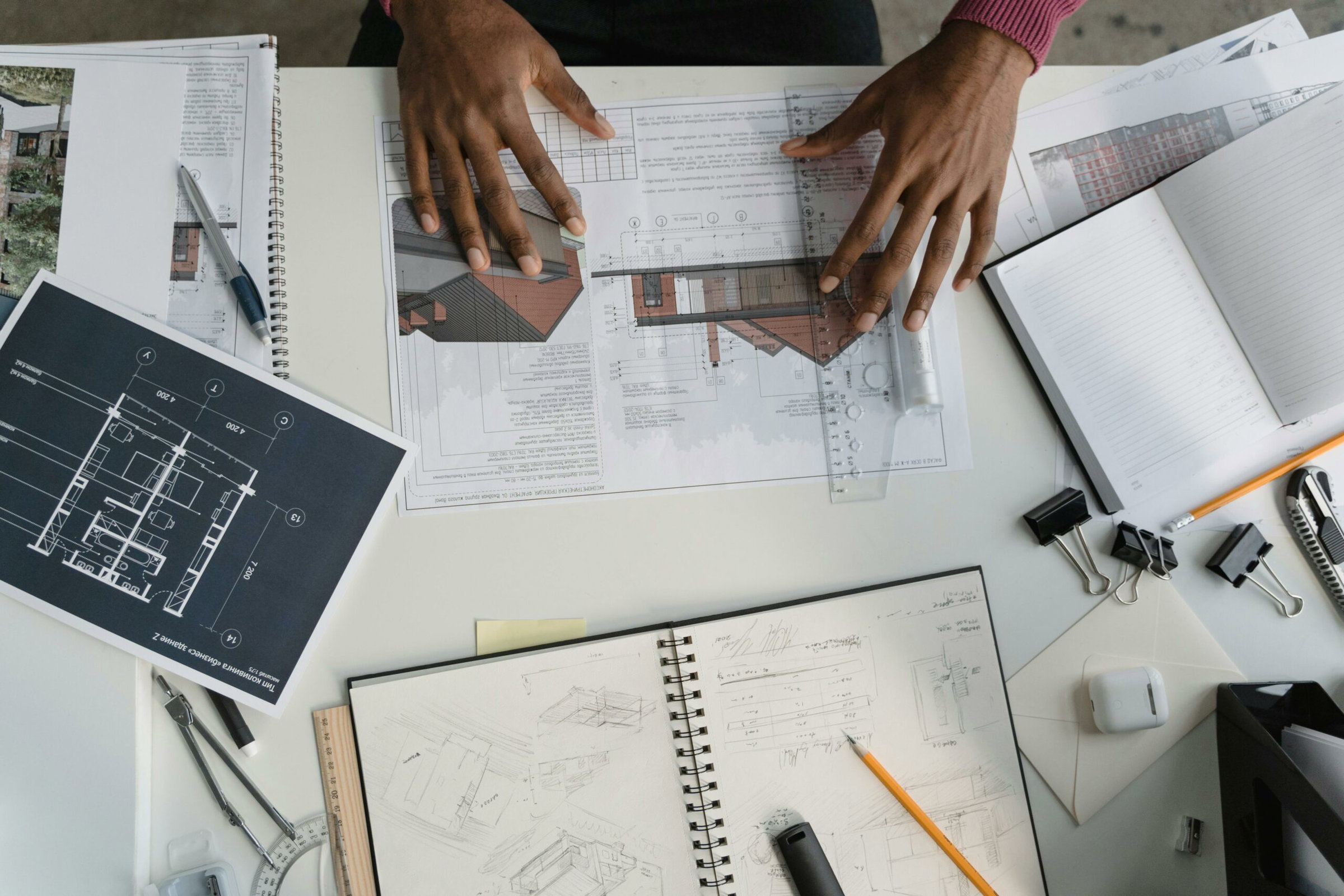
Construction projects involve countless decisions, but certain choices carry disproportionate consequences when delayed.
The difference between making these decisions early versus scrambling to make them under pressure often determines whether your project flows smoothly or lurches from crisis to crisis.
Understanding which decisions deserve early attention and when they need to happen protects you from the regret that comes from realizing you’ve boxed yourself into expensive or compromised solutions.
Decision 1: Comprehensive Budget Planning Beyond Construction Costs

The Common Regret
Property owners consistently underestimate the full financial scope of construction projects by focusing exclusively on contractor estimates while overlooking numerous additional expenses.
Furniture, window treatments, landscaping, permit fees, temporary housing, storage, and the dozens of smaller purchases that complete a space add up quickly.
Many owners find themselves with beautifully renovated spaces they can’t properly furnish or complete because their budget focused solely on construction work.
The Right Timeline
Establish your comprehensive budget during initial planning, well before signing any contracts or making commitments. This complete financial picture should account for construction costs plus an additional buffer for everything else your project requires.
Experienced property owners typically allocate significant funds beyond contractor estimates for these inevitable additional expenses.
How This Prevents Regret
Early comprehensive budgeting allows you to make informed choices about where to invest your resources rather than discovering too late that you’ve spent everything on construction while neglecting equally important elements.
This foresight enables you to potentially adjust the construction scope to preserve the budget for furnishings, or alternatively commit to a longer timeline that allows for saving between construction completion and final furnishing.
Decision 2: Material and Fixture Selections

The Common Regret
Delaying material and fixture selections until contractors need answers creates rushed decisions under pressure that you’ll see every day for years.
Owners who think they’ll “figure out tiles later” or “pick fixtures when the time comes” inevitably find themselves making compromises based on what’s immediately available rather than what they truly want. This rushed decision-making often leads to settling for second-choice options or paying premium expedite fees for preferred materials.
The Right Timeline
Begin researching and selecting materials during the design phase, before construction starts. Major selections like flooring, countertops, cabinets, and primary fixtures should be finalized before your contractor breaks ground.
This early timeline allows you to find exactly what you want, compare options thoroughly, and ensure materials arrive when needed rather than forcing construction delays while you wait for back-ordered selections.
How This Prevents Regret
Early material selection eliminates the stress of rushed decisions while preventing delays caused by extended lead times for popular or custom items. You’ll live with these choices for years, making the investment in thoughtful early selection far more valuable than the convenience of postponing decisions.
This approach also provides accurate budget information since material costs represent significant portions of project expenses

Decision 3: Scope Definition and Change Control
The Common Regret
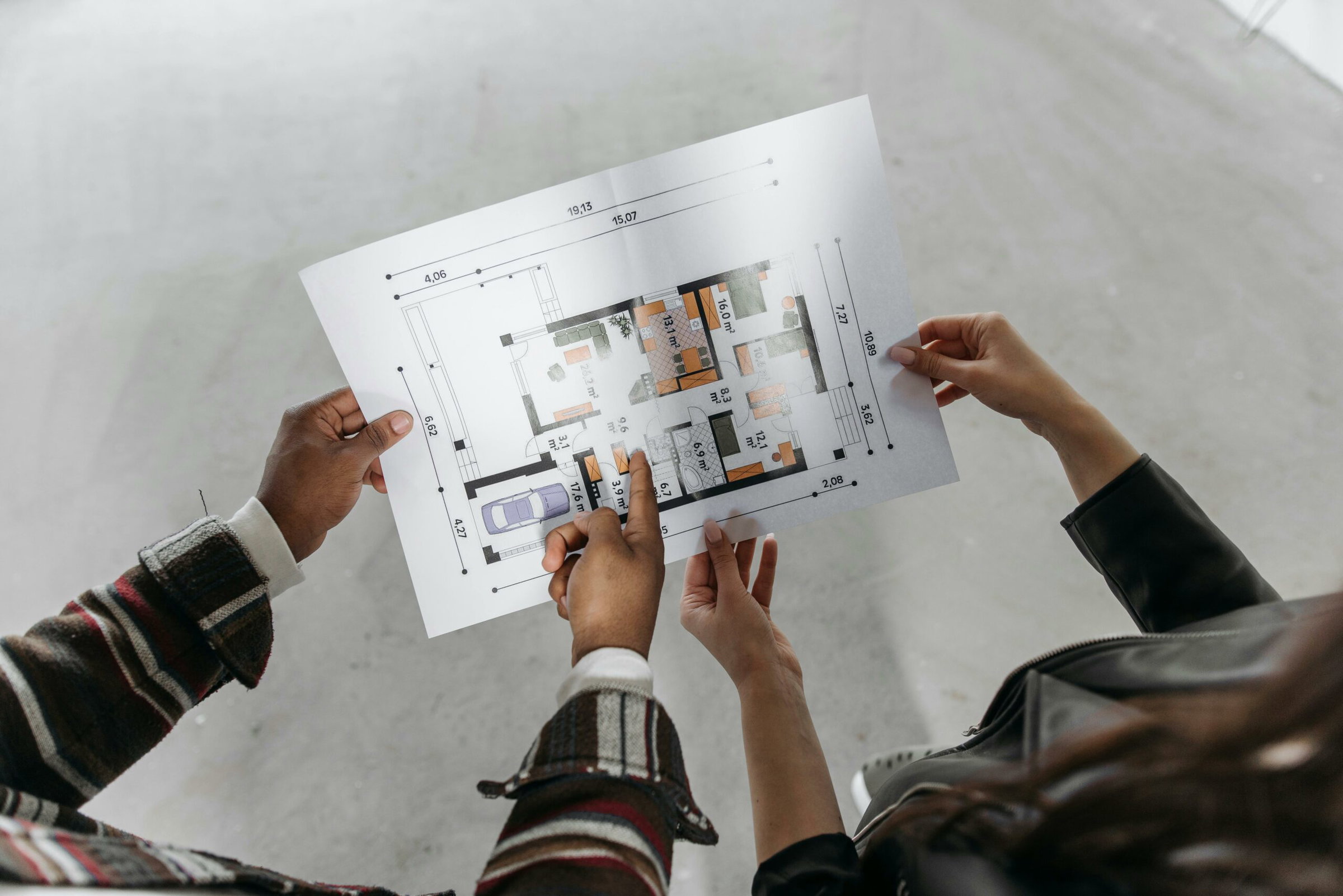
A vague project scope that leaves details “to be determined” creates endless opportunities for expensive changes, disputes about what was included, and budget overruns that could have been prevented.
Owners who think they’ll “figure out details as we go” discover that construction doesn’t pause for leisurely deliberation. Every undefined element becomes an urgent decision that must be made immediately, often with incomplete information and under time pressure that prevents optimal choices.
The Right Timeline
Define comprehensive project scope during design development, documenting every aspect of work to be performed. This detailed scope should specify materials, finishes, fixtures, and construction methods before construction begins. Include clear change control processes that define how modifications will be handled, priced, and approved.
How This Prevents Regret
A detailed scope definition protects you from scope creep that gradually inflates budgets through accumulated small changes. It also prevents disputes about what was included in original agreements, creating clarity that benefits both you and your contractor.
When changes become necessary, established change control processes ensure they’re handled systematically rather than creating confusion about what’s been authorized.
Decision 4: Infrastructure Upgrades and Future-Proofing

The Common Regret
Failing to upgrade infrastructure like electrical systems, plumbing, or technology wiring while walls are open leads to expensive retrofitting later when you realize current systems can’t support your needs.
Owners who decline electrical panel upgrades or additional circuits during renovation frequently regret this penny-wise, pound-foolish decision when they later pay dramatically more for work requiring wall demolition in finished spaces.
The Right Timeline
Evaluate infrastructure needs during initial planning and design phases. Assess your electrical capacity, plumbing adequacy, HVAC performance, and technology infrastructure before creating final construction plans. Include necessary upgrades in your original scope even if they weren’t part of your initial vision.
How This Prevents Regret
Infrastructure upgrades cost significantly less during planned construction when walls are already open, and systems are exposed. Adding these improvements later requires demolishing finished work, creating a mess and expense that dwarfs the cost of including them initially. Future-proofing your infrastructure also ensures your renovated space serves you well for years rather than becoming inadequate as needs evolve.
Decision 5: Contractor Selection Based on Value Rather Than Price

The Common Regret
Choosing contractors based primarily on the lowest bids rather than overall value leads to countless regrets, including poor communication, quality issues, timeline delays, and difficult working relationships. Owners who select based on price discover they’ve saved money upfront while creating conditions for expensive problems, compromised results, and stressful experiences that mar what should be exciting projects.
The Right Timeline
Begin contractor evaluation during early project planning, allowing adequate time to research options, check references, interview multiple contractors, and make informed decisions based on comprehensive criteria. This deliberate timeline prevents rushed contractor selection driven by eagerness to start rather than confidence in your choice.
How This Prevents Regret
Early contractor selection based on value rather than price establishes a foundation for successful projects. Quality contractors contribute to planning phases, help refine budgets, and provide expertise that improves project outcomes.
The peace of mind from working with competent, communicative contractors who share your quality standards far exceeds any initial cost savings from budget-focused selection.
Protecting Yourself from Decision Regret
The decisions you make early in your construction project shape everything that follows. Front-loading major choices during planning phases when you have time for thoughtful consideration produces better outcomes than reactive decisions made under construction pressure.
Understanding which decisions deserve early attention and building adequate time for proper deliberation transforms construction from an overwhelming decision marathon into a manageable process. The most successful projects result from property owners who recognize the value of strategic decision timing.
Ready to work with a contractor who helps you make better decisions at the right times? Partner with RENOTIGHT Construction and experience the difference that systematic planning and expert guidance make. Contact us today at (480) 261-0197, email us at info@renotight.com, or visit www.renotight.com to discuss your project.