

One of the most common questions property owners ask during construction projects is how often they should visit the site.
The answer is more nuanced than you might expect, balancing your legitimate need to stay informed with the practical reality that excessive presence can actually slow progress and create tension with your contractor.
Understanding where that balance lies helps you stay appropriately involved without becoming a hindrance to the very project you’re trying to help succeed.
Understanding Helpful vs. Disruptive Presence
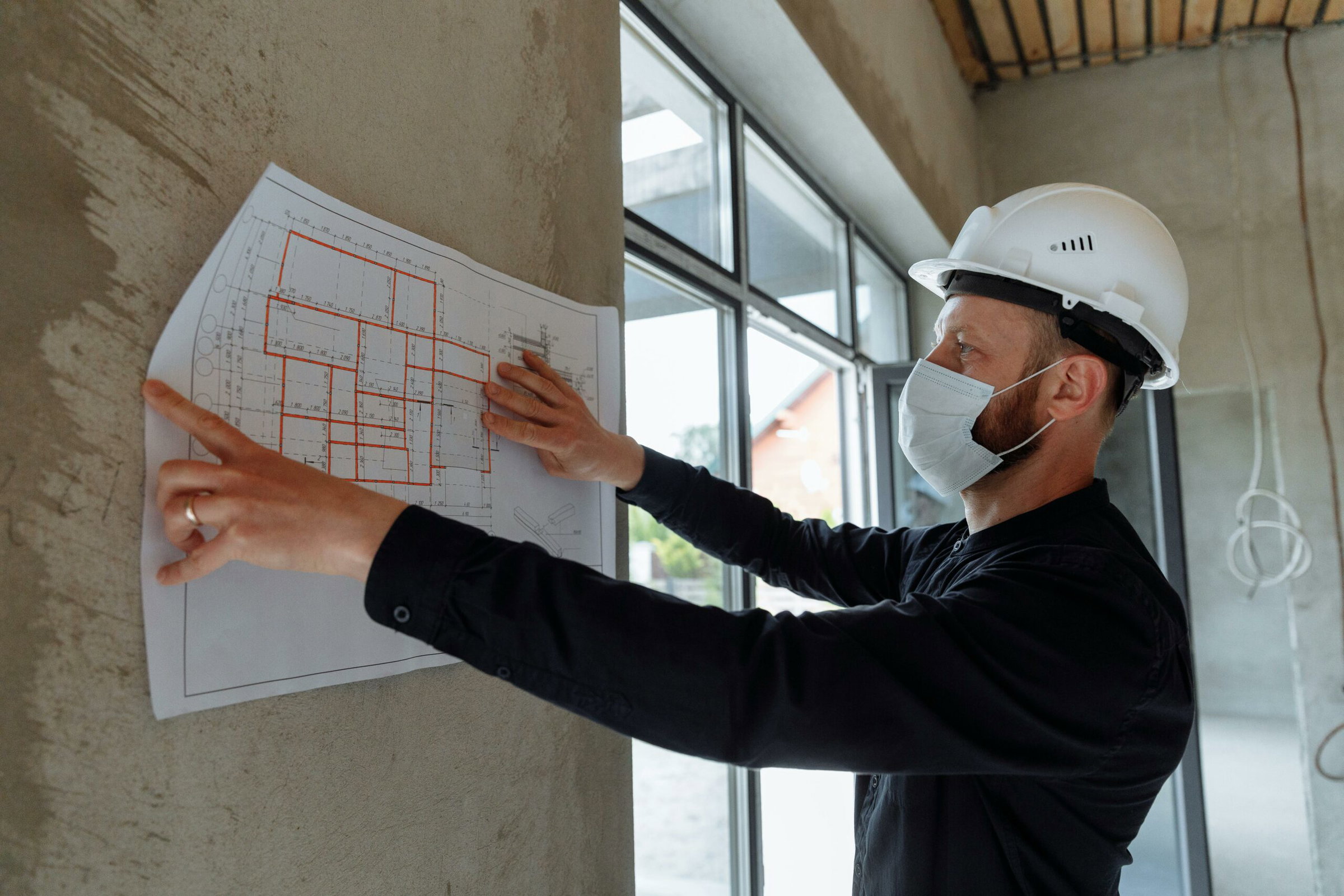
When Your Presence Adds Value
Site visits serve valuable purposes when timed appropriately and conducted with clear intent.
Scheduled walkthroughs at major milestones allow you to verify that work aligns with your vision before crews move to the next phase, when making changes becomes exponentially more difficult and expensive.
These milestone reviews catch issues early, ensure quality standards are met, and provide opportunities for you to ask clarifying questions while the work is fresh and visible.
Your presence becomes particularly valuable during material selection phases when contractors need your input on finishes, fixtures, or design elements that require your decision.
Being available when these decisions arise prevents delays that occur when contractors must stop work and wait for answers. Similarly, attending pre-scheduled progress meetings ensures everyone remains aligned on timeline, budget, and any adjustments that need addressing.
When Your Presence Creates Problems
Daily unannounced visits, however well-intentioned, often create more problems than they solve. Contractors and their crews work most efficiently when they can focus on tasks without interruption, and constant presence from property owners inevitably leads to questions, concerns, and conversations that break work rhythm and reduce productivity. What feels like helpful oversight from your perspective may translate to significant time loss from the contractor’s viewpoint.
Micromanaging individual workers undermines the authority of your contractor and creates confusion about who’s actually directing the work.
When property owners start giving instructions directly to subcontractors, the chain of command breaks down and accountability becomes murky. This dynamic often leads to mistakes, miscommunication, and disputes about who authorized what changes.
Excessive presence also signals distrust that can damage the working relationship with your contractor. While you have every right to monitor your investment, constant surveillance suggests you don’t believe your contractor is competent or honest.
This underlying tension rarely produces better outcomes and often creates a self-fulfilling prophecy where communication deteriorates and problems multiply.

Get Inspired: Check out our Remodel Services.
What to Look for During Site Visits
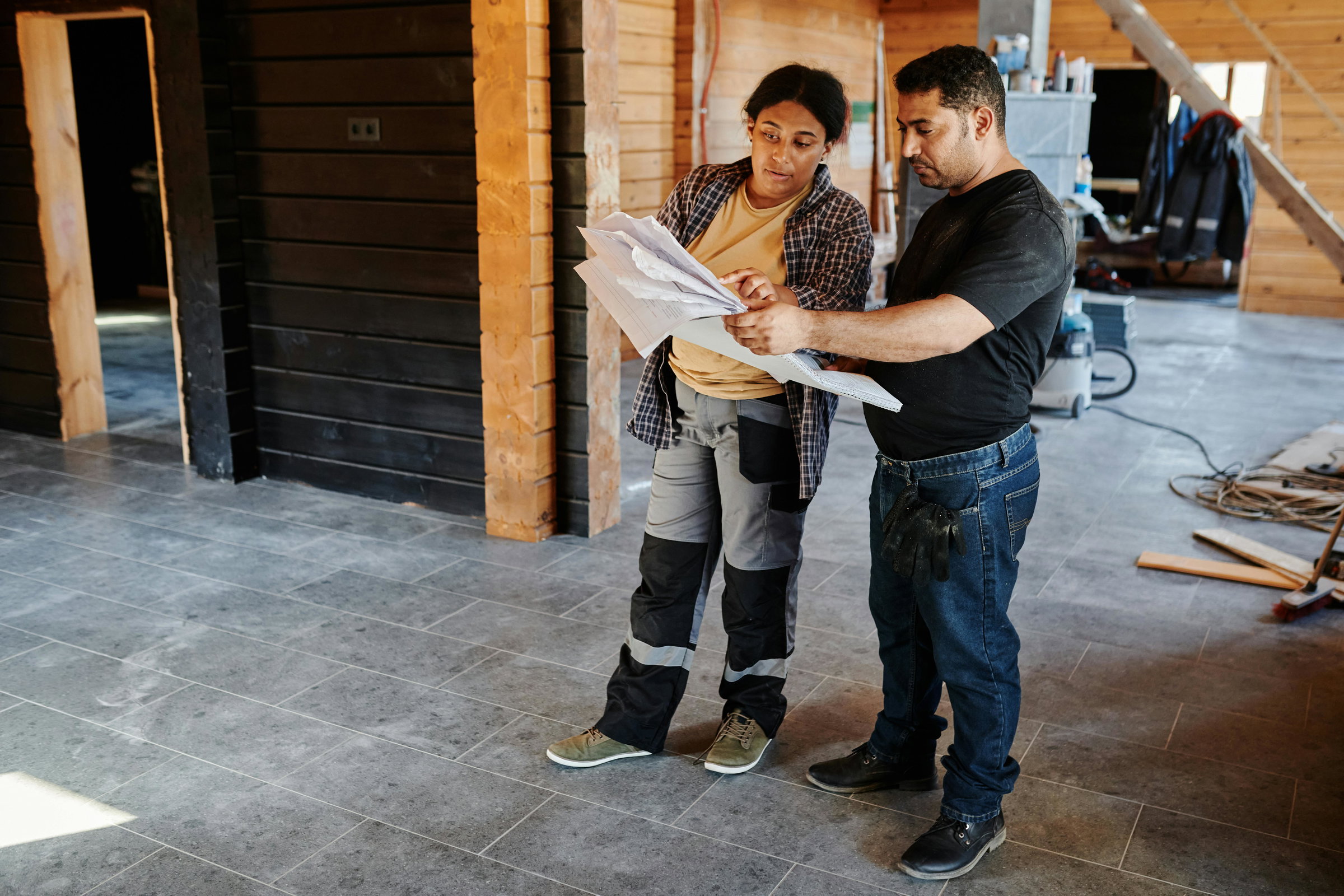
Quality and Workmanship Indicators
When you do visit the site, focus your attention on observable quality indicators rather than trying to assess technical elements beyond your expertise.
Look for overall cleanliness and organization, which often correlates with attention to detail in actual construction work. Professional crews maintain orderly sites where materials are properly stored, debris gets regularly removed, and work areas stay reasonably clean.
Pay attention to how completed work appears compared to your expectations based on plans and specifications. Straight lines should look straight, level surfaces should appear level, and finished elements should show consistent quality across the space.
Trust your instincts when something looks off, even if you can’t articulate exactly what’s wrong, and document these concerns for discussion with your contractor.
Safety practices visible on site also merit your attention. Professional contractors maintain safe work environments with proper equipment use, appropriate safety gear, and attention to hazard prevention.
While you shouldn’t expect to understand every safety protocol, obvious carelessness or dangerous practices warrant immediate discussion with your contractor.
Progress Alignment with Schedule
Compare visible progress against the project timeline your contractor provided. While construction rarely proceeds exactly as scheduled, you should see general alignment between promised phases and actual work completed.
Significant deviations from the timeline deserve conversation to understand whether delays stem from legitimate complications or poor project management.
Material deliveries and storage indicate whether your contractor is effectively coordinating the project. Appropriate materials should arrive when needed, not weeks early, where they consume space and risk damage, nor so late that crews sit idle waiting.
The presence and condition of materials at the site tell you something about your contractor’s planning and supplier relationships.
Professional Conduct and Site Management
Observe how the crew interacts and whether work proceeds in an organized manner. Professional construction teams work systematically with clear direction and coordination between trades. Chaos, confusion, or crews standing around, uncertain about their tasks, suggests management problems that will likely affect your timeline and budget.
Note how contractors and workers respond to your presence and questions. Professional teams should acknowledge your legitimate interest while maintaining focus on their work.
Defensive reactions, evasiveness, or hostility to reasonable questions signal potential problems in contractor communication and accountability.
Establishing the Right Visit Schedule

Milestone-Based Approach
The most effective site visit schedule ties directly to project milestones rather than arbitrary daily or weekly patterns.
Schedule visits at completion of major phases like framing, rough plumbing and electrical, drywall installation, and finish work. These milestone visits provide meaningful opportunities to assess progress and catch issues when addressing them remains relatively straightforward.
Request that your contractor notify you when these milestones approach so you can plan visits around actually seeing the relevant work. Visiting between milestones often means seeing work in transitional states that don’t provide useful information about quality or progress.
Communication-Based Flexibility
Let your contractor’s communication quality guide your visit frequency. Contractors who provide detailed regular updates, promptly answer questions, and proactively address issues require less frequent in-person verification than contractors who communicate poorly or only when prompted. Your visit schedule should reflect the trust established through consistent, transparent communication.
When problems arise or communication quality drops, temporarily increasing visit frequency makes sense until confidence is restored.
This responsive approach adjusts your involvement based on actual project needs rather than maintaining rigid schedules regardless of circumstances.
The RENOTIGHT Approach to Client Involvement

Structured Communication Reduces Visit Need
RENOTIGHT’s systematic communication protocols provide clients with regular, detailed updates that reduce the anxiety driving excessive site visits. When you receive consistent progress reports, photos documenting work phases, and proactive notifications about upcoming milestones, the need to visit daily simply to know what’s happening disappears.
Our structured approach includes scheduled client walkthroughs at appropriate project phases, ensuring you see work when viewing it provides actual value rather than visiting randomly hoping to catch something meaningful. This intentional scheduling respects both your time and your contractor’s need for uninterrupted work periods.
Clear Escalation Paths for Concerns
We establish clear protocols for raising concerns or questions, providing direct access to project managers who can address issues promptly without requiring site visits. This accessibility means you don’t need to show up in person simply to get answers to straightforward questions or communicate concerns about project elements.
When legitimate issues require in-person discussion, we schedule dedicated time that allows focused attention to your concerns rather than trying to address them during brief interruptions of active work periods.
Finding Your Right Balance
The appropriate level of site presence varies based on project scope, your personal schedule, contractor communication quality, and your comfort with delegating oversight. The goal is staying informed and engaged without hindering the work you’re paying for.
Ready to work with a contractor whose communication quality reduces anxiety about site presence? Partner with RENOTIGHT Construction and experience the difference that systematic updates and transparent communication make. Contact us today at (480) 261-0197, email us at info@renotight.com, or visit www.renotight.com to discuss your project today.