
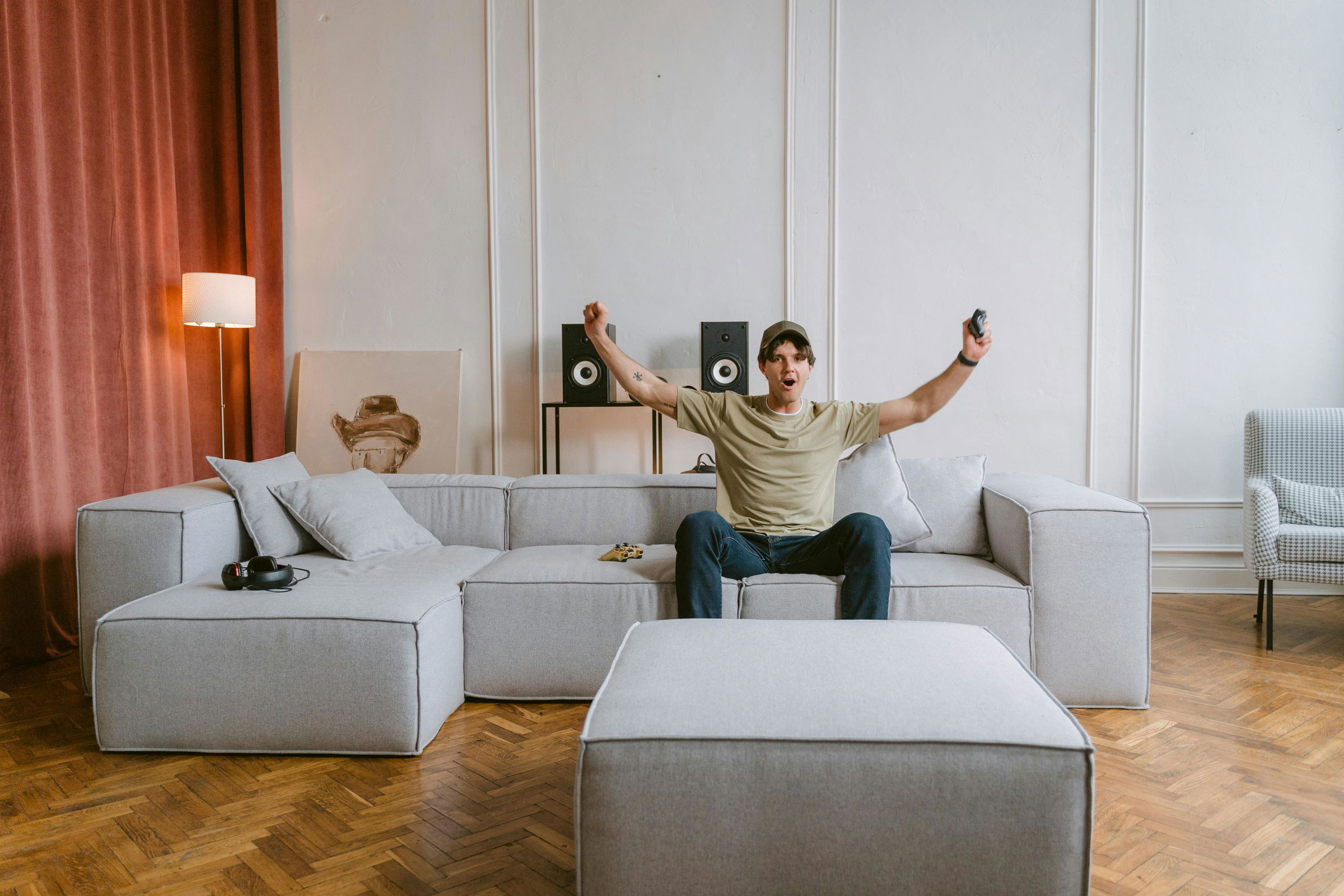
Designing an addition that needs to handle everything from an intense pool game to a quiet reading session isn’t simple. It takes careful planning, smart use of space, and attention to the details that make a room work for multiple purposes.
These 10 design tips will help you create an addition that meets your needs today while staying flexible enough to adapt as those needs change over time.
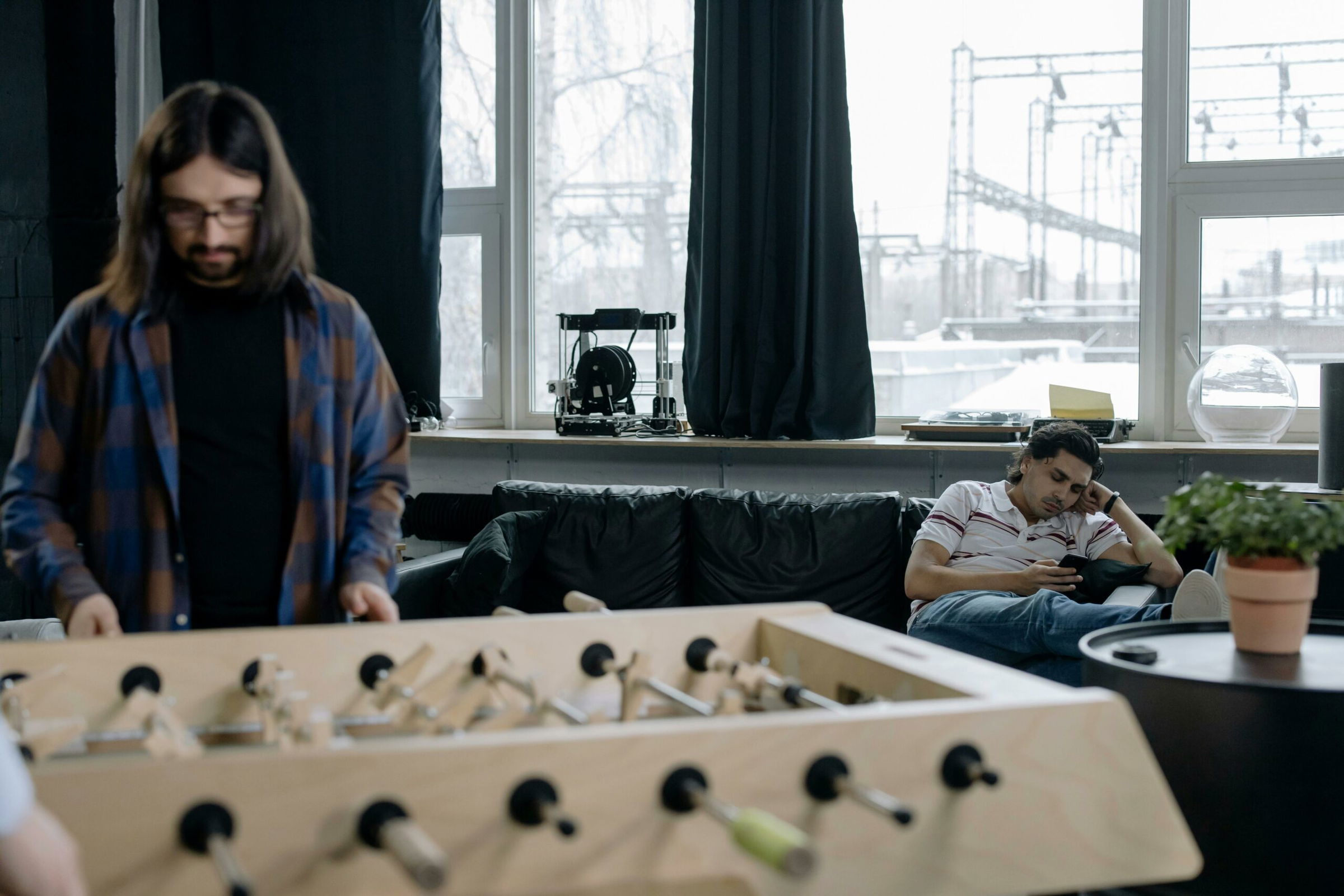
Tip 1: The Power of Zonation and Flexible Layouts
The most crucial step in designing a multi-activity room is avoiding the “one big box” trap. Since the room will host different functions (e.g., a TV/lounge area, a game table area, and a fitness corner) it must be subtly segmented. This concept is called zonation.
- Visual Separation: Use architectural elements like half-walls, ceiling height changes, or differing floor materials (e.g., a soft rug in the lounge zone, durable rubber flooring in the fitness zone) to define areas without fully enclosing them.
- Movable Furniture: Prioritize furniture that can be easily rearranged. Think modular seating, nesting tables, and lightweight storage ottomans. The room must be able to transform quickly from a party venue to a quiet workshop.
- Vertical Storage: Use custom, built-in shelving and cabinets that run floor-to-ceiling to minimize clutter and visually streamline the space. A streamlined space inherently feels more flexible.
Tip 2: Strategic Soundproofing and Acoustics
Noise will ruin a multi-activity space faster than anything else. When someone’s blasting a video game in one corner, you don’t want that drowning out a conversation happening ten feet away.
- Insulation: Use high-quality acoustic batt insulation in the walls, ceiling, and even under the subfloor. This minimizes sound transmission to the rest of the house and the exterior.
- Surface Selection: Incorporate materials that absorb sound rather than reflect it. Acoustic panels hidden behind fabric, thick-pile rugs, upholstered furniture, and heavy curtains all help to “tame” the sound within the room itself, improving voice clarity and reducing echo.
- Door and Window Seals: Ensure all exterior doors and windows are high-quality, weather-stripped, and tightly sealed to block external noise and trap internal noise.
Tip 3: Lighting Designed for Multiple Moods
One overhead light fixture won’t cut it in a multi-use space. You need lighting that adjusts from bright task lighting for detail work down to dim, relaxed light for movie watching.
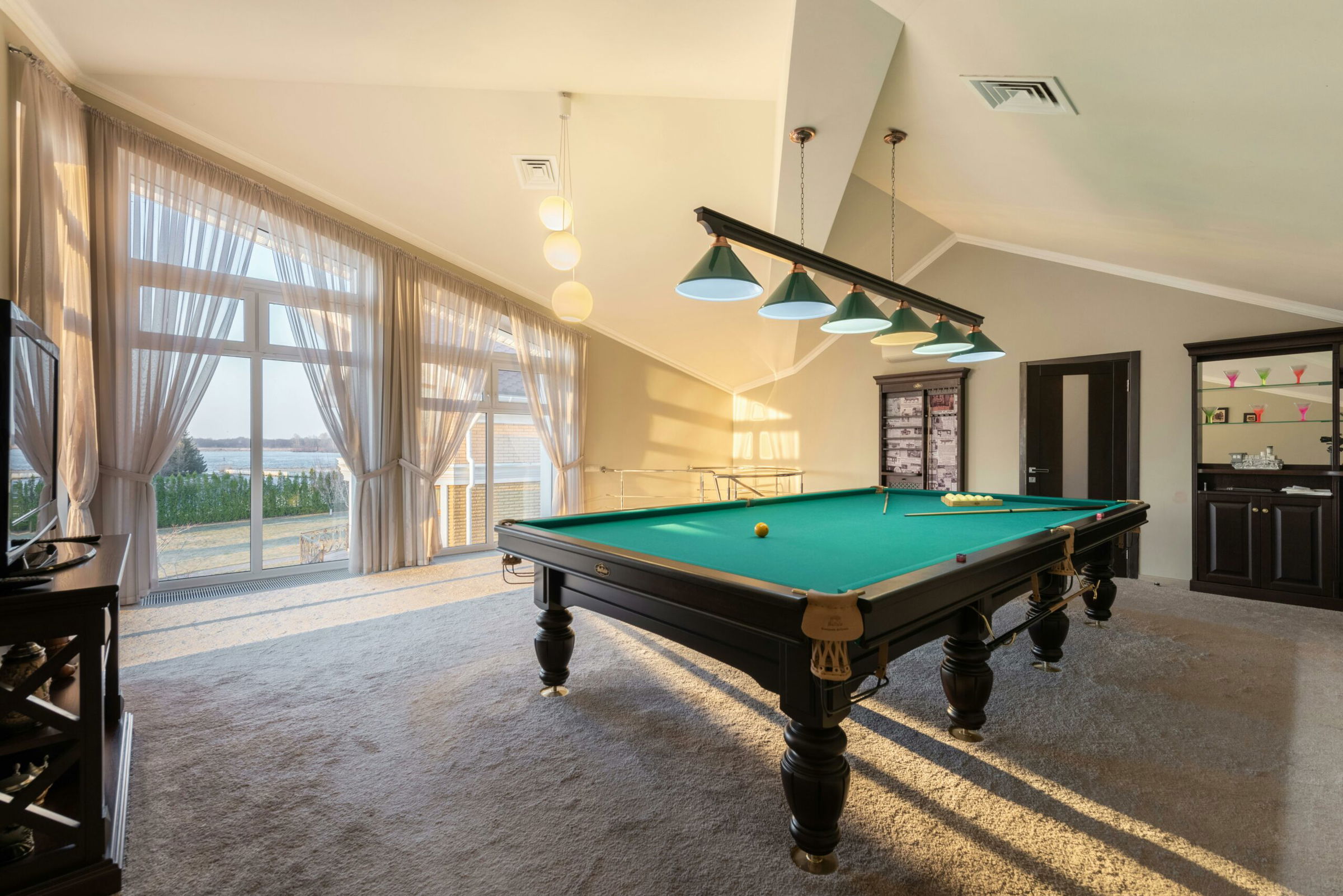
Build in three layers. Ambient lighting provides general illumination (recessed dimmable LEDs work well here). Task lighting focuses on specific activities, like pendant lights over a pool table or adjustable floor lamps next to reading chairs. Accent lighting highlights architectural features or artwork with picture lights or track lighting.
Put every light source on its own dimmer switch. Better yet, group lights by zone so you can light up the lounge area without turning on the lights over the card table. Smart lighting systems let you save preset scenes for different activities.

Get Inspired: Check out our Remodel Services.
Tip 4: Integrating Smart Technology Seamlessly
Recreation rooms are perfect for smart home tech, but you need to plan for it during the design phase to avoid a mess of visible wires.
- Concealed Wiring: Run conduit (empty piping) through the walls to easily thread speaker wires, power cables, and network cables later. This avoids messy exposed wires and allows for simple technology upgrades.
- Dedicated A/V Closet: Build a small, ventilated closet or cabinet to house all the bulky electronics (receivers, gaming consoles, routers, cable boxes). This keeps the visual clutter down while centralizing cooling and power.
- High-Bandwidth Network: Install multiple hard-wired Ethernet ports (in addition to Wi-Fi) throughout the room, especially in areas dedicated to gaming or streaming, to ensure reliable, high-speed connections.
Tip 5: Durability and Maintenance in Material Selection
Active spaces take a beating. Your material choices need to handle heavy use, spills, and constant foot traffic.
- Flooring: For flooring, go with engineered wood, luxury vinyl plank, stained concrete, or high-quality ceramic tile. These hold up well and clean easily. If you want carpet, get commercial-grade, low-pile loop carpet that won’t show wear or trap dirt.
- Wall Finishes: Consider scrubbable, semi-gloss paint. For high-traffic areas, wainscoting or paneling (made from robust materials like MDF or wood) offers an extra layer of protection against scuffs and dents.
- Fabric: Select performance fabrics for upholstery—those labeled as stain-resistant, highly durable, or suitable for outdoor use.
Tip 6: Prioritize Climate Control and Ventilation
When you pack people into a room for physical activity or entertaining, temperatures rise fast. Poor climate control will make the space uncomfortable and unusable.
- Independent HVAC: If possible, give the addition its own dedicated heating, ventilation, and air conditioning (HVAC) zone. A ductless mini-split system is often the most efficient and practical solution for additions.
- Air Exchange: Install a quiet, high-capacity exhaust fan, particularly if the room includes a wet bar, a dedicated fitness area, or may be used for hobbies that produce fumes (e.g., painting). Good ventilation prevents stuffiness and moisture buildup.
Tip 7: Maximizing Natural Light and Views
Multi-activity rooms benefit from natural light and outdoor connection. Unlike a dedicated home theater that needs to be dark, this space should feel open and inviting.
- Window Placement: Strategically place windows and glass doors to maximize natural light throughout the day. Consider oversized or floor-to-ceiling windows.
- Outdoor Connection: If building onto the first floor, incorporate a direct exit, such as French doors or a sliding glass door, leading to a patio, deck, or backyard area. This expands the room’s function during good weather and improves flow for entertaining.
- Window Treatments: Install functional and attractive window coverings (e.g., roller shades or blackout curtains) that can completely block light when needed for screen viewing, but remain open the rest of the time.
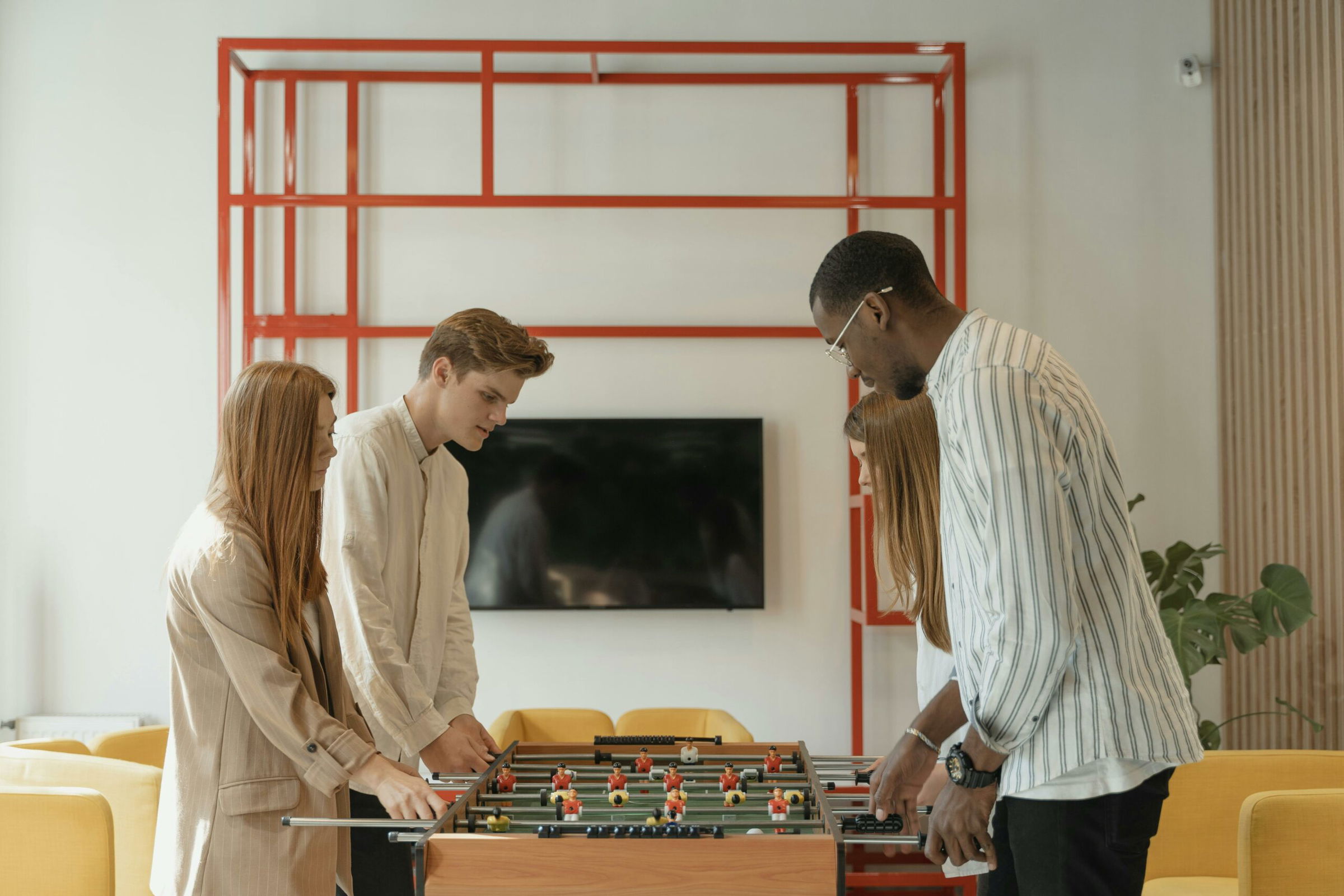
Tip 8: The All-Important Storage Solutions
Game pieces, workout equipment, remotes, and hobby supplies pile up fast in an activity room. You need storage built into the design from the start.
- Designated Closets: Build at least one deep closet with adjustable shelving for bulky items like yoga mats, board games, or seasonal decorations.
- Hidden Drawers: Incorporate drawers or cabinets underneath window seats or built into the base of custom media consoles.
- Charging Stations: Designate a specific, clutter-free space—a drawer with a built-in power strip, for example—to charge phones, tablets, and controllers out of sight.
Tip 9: Factor in Future Plumbing Needs (The Wet Bar)
Even if you’re not ready for a wet bar or bathroom right now, roughing in the plumbing during initial construction saves you serious money later.
- Rough-In: Run water and drain lines to the location where a sink, beverage fridge, or small bathroom could eventually be installed. Even if the pipes are capped and hidden behind the wall, you save thousands on tearing up floors and walls later.
- Dedicated Power: Run a dedicated electrical circuit for a future small appliance, like a refrigerator or microwave.
Tip 10: Adhere to Local Codes and Permit Requirements
This is a major construction project, which means building codes and permits. Skipping this step causes expensive delays and forces you to redo work that doesn’t pass inspection.
Work with a contractor who knows your local requirements inside and out. Zoning rules, foundation specifications, electrical codes, and HVAC installation standards vary by location.
Make sure the new foundation ties properly into your existing structure and meets all stability and drainage requirements. This is critical in areas with seismic activity or soil that expands and contracts.
Final Thoughts
Building a multi-activity or recreation room addition is a major investment, but it pays off in how much your family uses and enjoys the space. When you apply these design principles thoughtfully (zonation, acoustic control, flexible lighting, smart technology, and the rest), you create a room that’s genuinely versatile and built to last. The result is a space that works just as well as a quiet retreat as it does when it’s the center of the party.
Bring your ultimate multi-activity room to life with professional execution and guaranteed quality. Contact Renotight Construction today at info@renotight.com to discuss your home addition vision!