

Ask a contractor how long a project will take, and you’ll often hear some version of “it depends.” That answer can sound evasive, but it’s usually the honest one. Schedules are shaped by a handful of factors that interact with each other, and understanding them ahead of time makes it much easier to plan your life around a renovation and to tell the difference between a normal delay and a warning sign.
Permits and Plan Review

Before any work begins, many projects wait on paperwork. Depending on the scope, plans may need to be reviewed by the local building department, and that review can involve back-and-forth if the submitted drawings raise questions. Revisions take time to prepare and resubmit, and each round adds days or weeks to the start date.
Permit timelines vary by jurisdiction, by the type of work, and by how busy the office is at any given point. Because these rules differ from city to city and change over time, the most reliable way to plan is to confirm current review times directly with the local building department before you commit to a start date.
Material Lead Times
Some materials arrive from the supplier within days. Others, especially custom cabinetry, specialty windows, certain tile, and some fixtures, can take weeks or longer to reach the site. Lead times also shift with supply conditions and seasonal demand, so a material that arrived quickly on a previous project may not do the same now.
The practical lesson is to make selections early. A delayed decision on a backordered item can hold up the trades who need to install it, and crews scheduled around that item may have to wait or move to another task. Ask your contractor which items carry long lead times and when those orders need to be placed.

Get Inspired: Check out our Remodel Services.
The Order of Trades
Construction follows a sequence. Framing comes before drywall, rough plumbing and electrical come before insulation and close-up, and finish work comes last. Each trade depends on the one before it finishing its part and passing any required inspection.
This dependency is why a delay in one area can ripple through the whole schedule. If an inspection is rescheduled, the trades waiting behind it can lose days even though their own work was ready to go. Understanding this chain helps you see that a pause is not always a problem with the crew. Sometimes it’s simply the next step waiting its turn.
Inspections
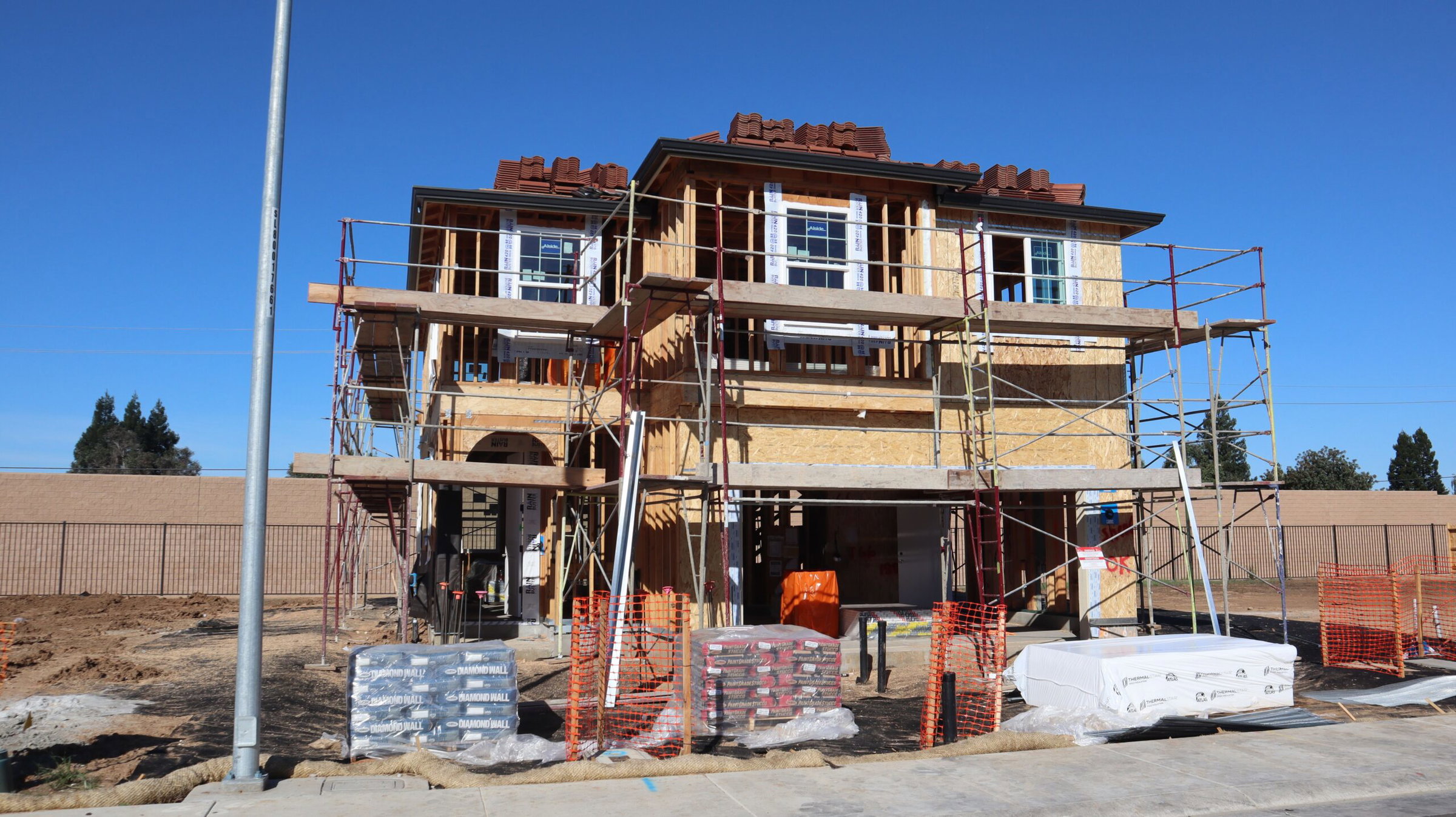
Most projects require inspections at specific stages, and these are scheduled through the jurisdiction rather than the contractor’s own calendar. Inspectors have their own workloads, and an inspection that fails means corrections and a return visit.
Failed inspections are more common than most owners expect, and they are not automatically a sign of poor work. Often they catch small items that are easy to fix. A contractor who plans inspection dates into the schedule, and who builds in a little margin around them, is usually managing the project realistically.
Your Decision Pace
The schedule depends on you as much as on the crew. Trades often need answers on paint colors, tile layouts, fixture finishes, and placement of outlets or switches before they can proceed. When decisions wait, work waits.
This does not mean you need to decide everything instantly. It means having a clear picture of what needs to be chosen and by when. Many owners find it helpful to ask their contractor for a list of decisions with dates attached, so they can plan their time and avoid holding up the crew.
Change Orders
A change to the original plan, whether it’s a new layout idea, an upgraded material, or an additional task, almost always affects the schedule. The change must be reviewed, priced, approved, and then scheduled into the work already in progress. Even a small change can shift the sequence of trades.
Changes are not inherently a problem. Many good projects include them. The key is recognizing that each one carries a time cost and deciding on those tradeoffs with the contractor before the work moves forward.
Conditions Revealed During Demolition

Once walls, floors, or ceilings come open, the existing structure sometimes tells a different story than the plans did. Hidden water damage, outdated wiring, or framing that doesn’t match drawings can all surface. These discoveries are common in older buildings, and they often require a pause to assess and decide how to proceed.
A good contractor will flag these findings quickly and explain the options. The schedule impact depends on what’s found, which is why some uncertainty is built into any renovation timeline.
Reading Your Schedule Honestly
A schedule is a plan, not a promise, and the best way to use one is to treat it as a living document. Ask your contractor how often it will be updated, what the most likely sources of delay are on your specific project, and how changes will be communicated to you.
Pay attention to the reasons behind any shift. A delay caused by waiting on a backordered fixture is different from one caused by poor sequencing or crew shortages, and knowing which is which helps you decide whether to ask questions or simply adjust your expectations.
Plan Around the Factors You Can Control
Some timing factors are outside anyone’s control, such as inspection queues and supply conditions. Others are very much within your reach: making decisions on time, reviewing changes carefully, and choosing a contractor who communicates clearly about the schedule.
If you’re planning a project and want a realistic picture of what could affect your timeline, RENOTIGHT Construction is happy to walk through the specifics of your project with you. Email info@renotight.com or visit www.renotight.com to get started.