
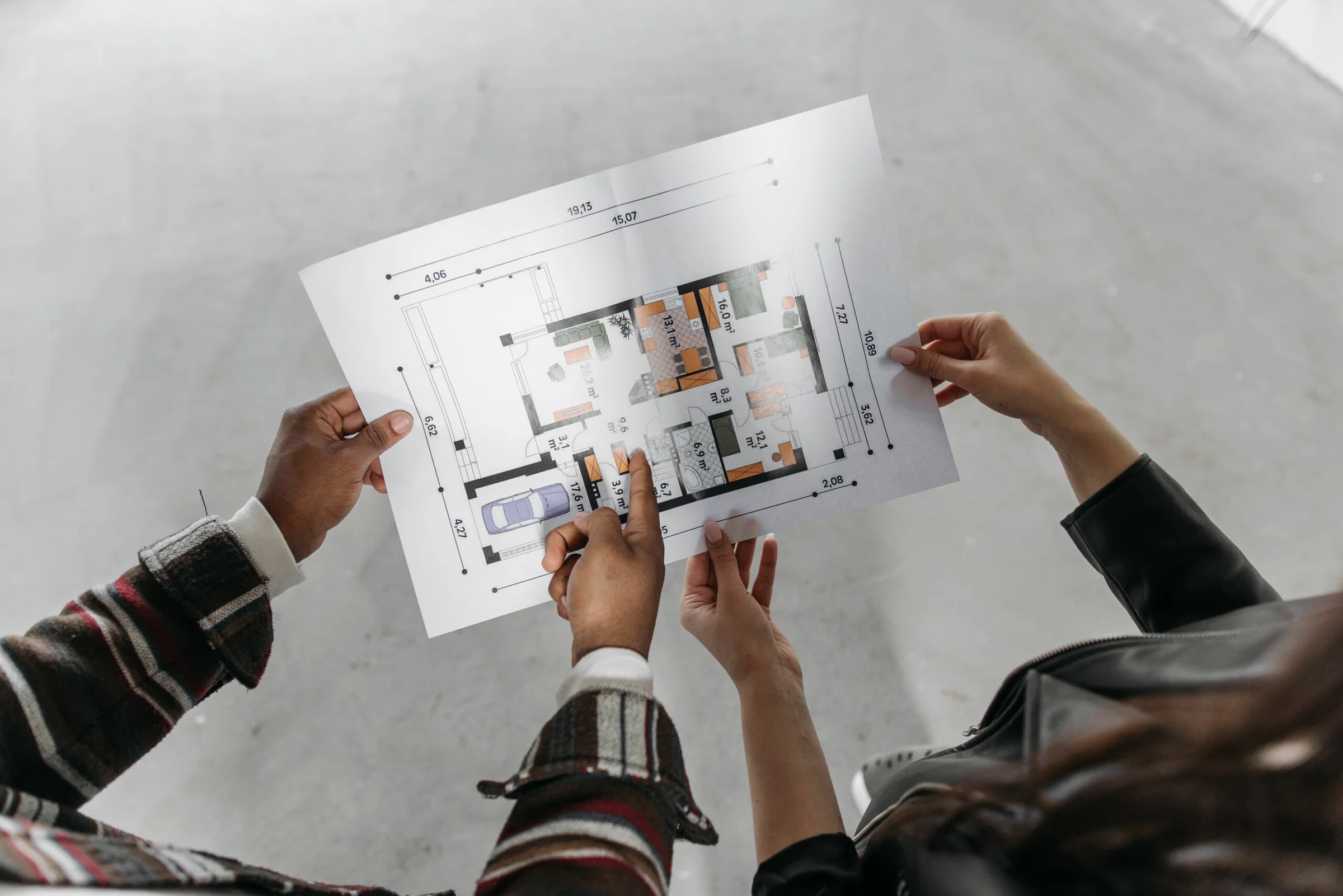
Design inspiration from social media platforms creates a dangerous gap between what looks beautiful in photos and what actually functions well in your daily life for years to come.
When you see a stunning kitchen design online, you’re looking at a carefully curated moment captured under perfect lighting with professional photography.
What you’re not seeing is whether those design choices hold up under the wear and tear of real life, whether they work with your budget constraints, or whether you’ll still love them in three years when trends have shifted.
Understanding how to translate design inspiration into decisions you’ll live with happily requires a different framework than simply choosing what looks good right now.
Understanding the Inspiration-Reality Gap
Why Photos Mislead
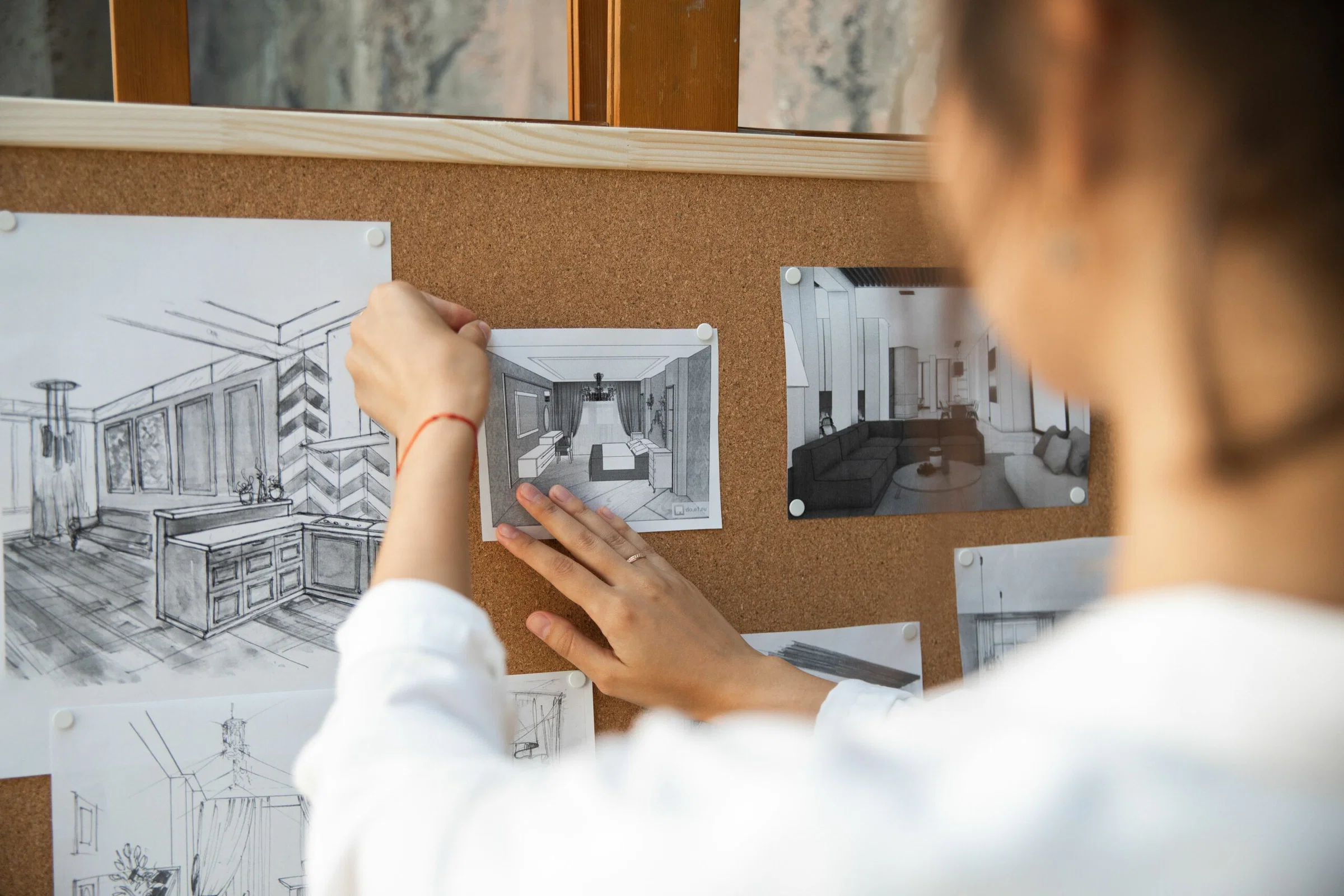
Design inspiration photos are fundamentally different from your actual living space in ways that matter far more than you might realize.
Professional photography uses specialized lighting, angles, and sometimes even digital enhancement that make spaces appear larger, more cohesive, and more impressive than they appear in person.
A kitchen that looks spacious and sophisticated in a styled photo might feel cramped and impersonal in your actual home with different lighting, different proportions, and a different context.
Inspiration photos also capture single moments rather than spaces lived in over time. That pristine white kitchen may look stunning in the photo, but no one has actually cooked dinner, spilled coffee, or dealt with everyday mess in it yet.
Design choices that photograph beautifully sometimes fail spectacularly in real-world conditions where durability, functionality, and practicality matter as much as appearance.
Additionally, inspiration photos often feature high-end finishes and materials that carry significant budget implications most people don’t consider until they try to actually price out their dream design.
Seeing a beautiful space doesn’t automatically tell you whether its design comes from a luxury renovation with unlimited budget or clever choices that deliver great results affordably.

The Emotional Response Problem
Design inspiration creates emotional reactions that can override practical judgment. When you love how something looks, your brain releases feel-good chemicals that make the choice feel right emotionally, even when it might not be practical financially or functionally.
This emotional hijacking of decision-making explains why people often regret trendy choices they were passionate about during the design phase.
The strength of emotional attachment to inspiring designs often inversely correlates with how well those designs actually work in your specific space, with your specific budget, and your specific lifestyle. The most beautiful inspiration rarely represents the best choice for your particular situation.
Translating Inspiration Into Reality
Extracting Principles Rather Than Copying Details
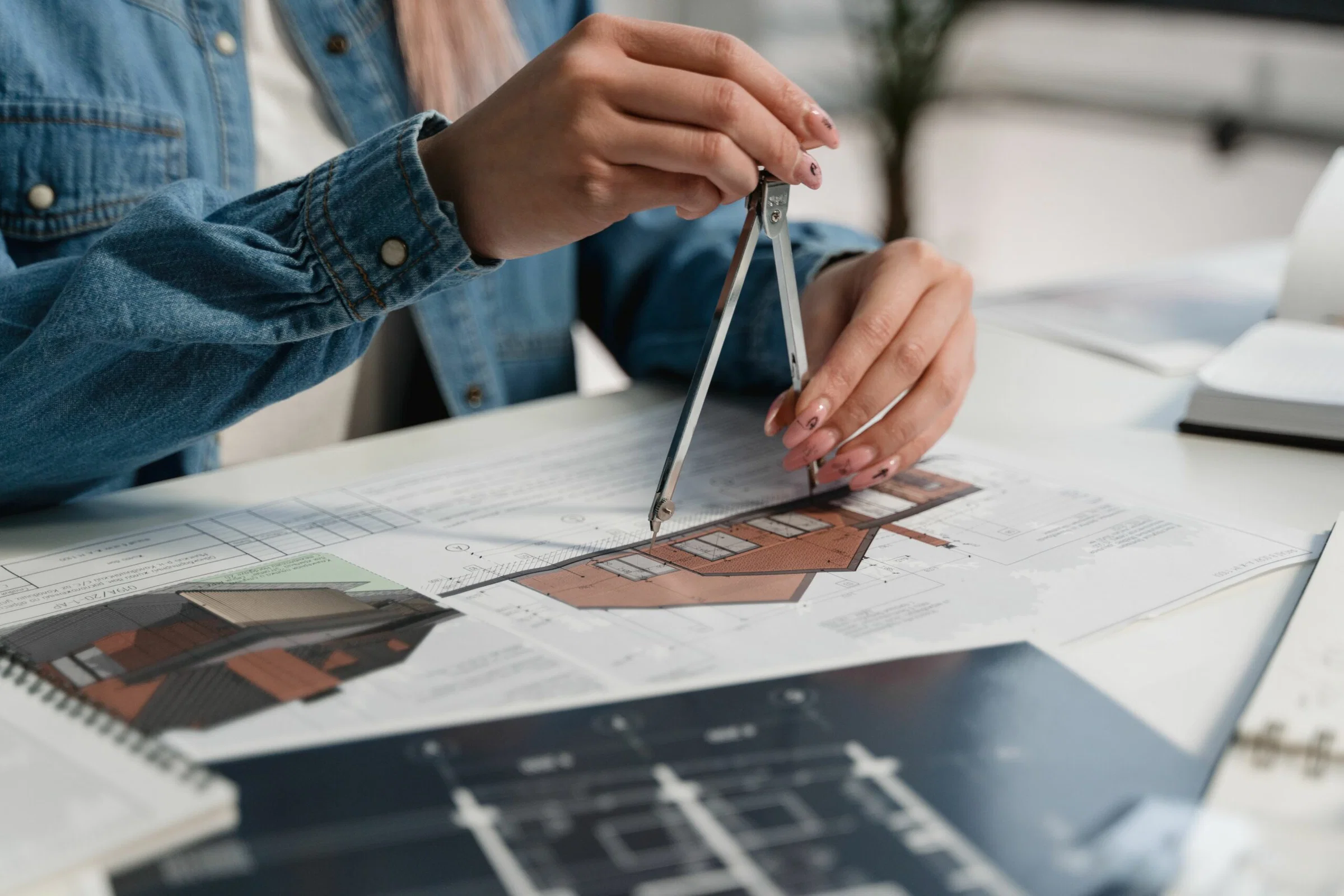
The most successful approach involves identifying the underlying principles that make you love a design rather than copying it exactly.
If you’re drawn to a kitchen because it feels open and light, the principle is “openness and natural light,” not “white cabinets and marble counters.” This allows you to achieve the feeling that attracted you while adapting to your specific space, budget, and needs.
When you see inspiration you love, ask yourself what specifically appeals to you. Is it the color palette, the spatial layout, the material choices, or the lighting?
Once you identify the principle that you’re drawn to, you can explore multiple ways to achieve it rather than getting locked into specific elements that might not work for you.
Assessing Feasibility in Your Space
Even beautiful designs that work perfectly in one space might be impractical in yours. A sprawling open kitchen might be stunning in a large home, but create workflow problems in a smaller one. A minimalist aesthetic might feel peaceful in a modern space but appear cold in a traditional house with different proportions.
Before falling in love with specific design inspiration, evaluate whether it fits your space’s dimensions, light conditions, and existing character.
Sometimes minor adaptations make inspiration work beautifully. Sometimes forcing inspiration into an incompatible space creates results you’ll regret.
Considering Your Daily Life
The most important filter for any design choice is whether it works with how you actually live. If you love cooking and frequently have guests in the kitchen, an open concept might be perfect. If you prefer cooking privately, that same layout could feel intrusive.
If you have young children, pristine white surfaces from your inspiration photos might create constant stress. Successful design choices align with your lifestyle and values rather than fighting against them.
Budget Implications of Trendy Choices
The Premium Cost of Trends
Trendy design elements often carry significant price premiums because they’re new, popular, and in demand. Trending materials, colors, and finishes typically cost more than established options that have been on the market longer. This premium pricing applies whether you’re buying trendy materials yourself or paying contractors to install them.
The financial impact extends beyond material costs. Installing trending designs sometimes requires specialized skills or techniques that increase labor costs.
A contractor experienced in standard kitchens might charge premium rates for trendy custom elements they’re less familiar with, ultimately costing you more for less efficiency.
The Obsolescence Problem
Trends change, sometimes rapidly. Design elements that look cutting-edge now might look dated in a few years when the industry and consumer preferences move toward the next trend. At that point, you’ll have invested significant money in choices that no longer feel fresh or appealing to you.
This obsolescence creates the painful position of either living with design choices you’ve tired of or investing in renovations to update them. Either way, you’re not getting the long-term value from your investment that you expected when making the original choice.
Living Longer With Timeless Choices
Timeless design approaches don’t carry the premium pricing of trendy elements, creating immediate budget savings you can redirect toward better materials or additional upgrades.
Timeless designs also hold their appeal for decades, meaning you get true long-term value from your investment.
Building a Timeless vs. Trendy Decision Framework
Identifying Timeless Elements
Timeless choices have remained popular across decades without looking dated. They’re built on proportion, quality materials, and functional design rather than momentary fashion.
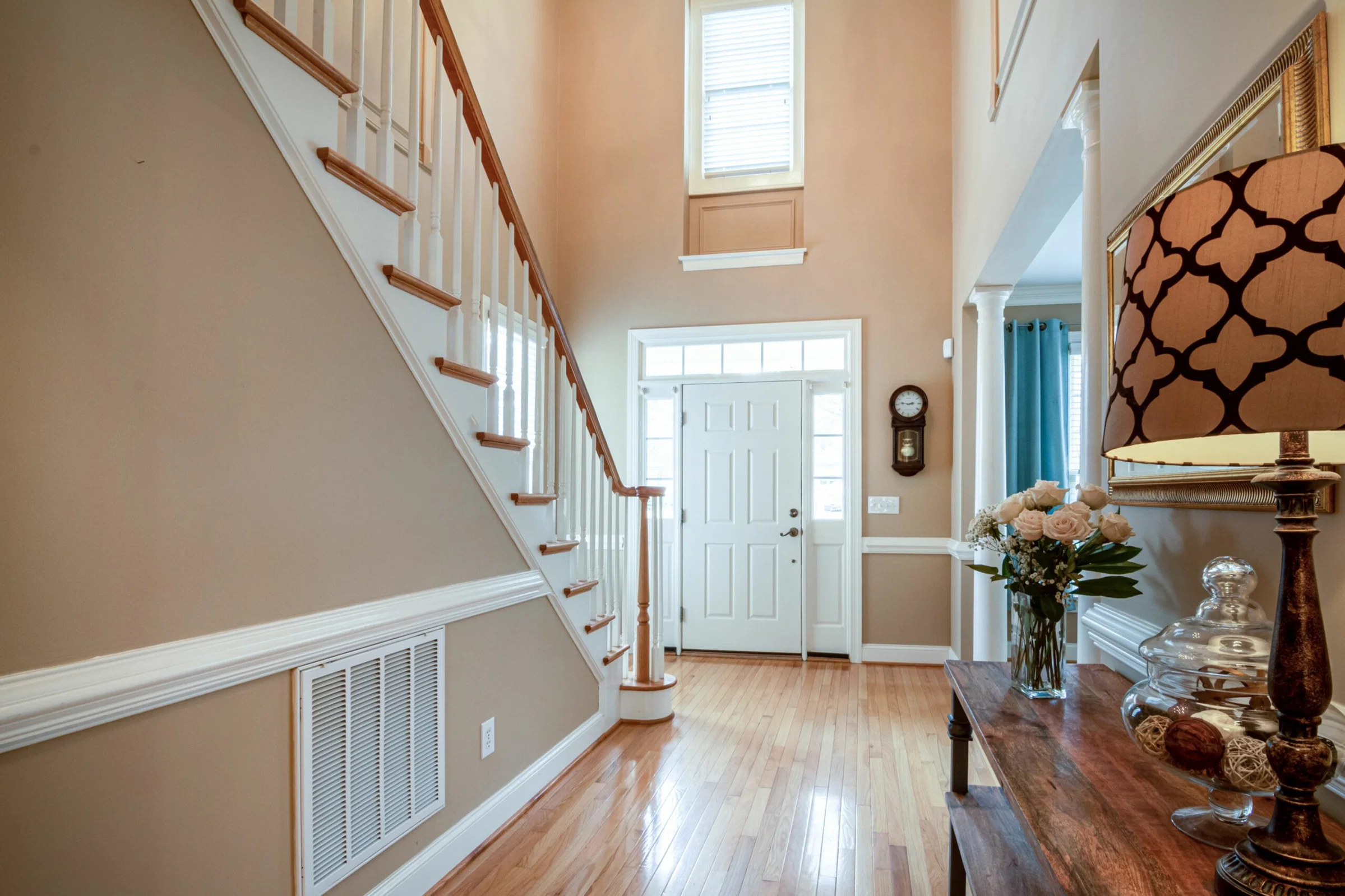
White subway tiles, quality hardwood floors, classic cabinetry, and well-proportioned spaces work across contexts ranging from traditional to contemporary.
When evaluating inspiration, ask whether the elements would have looked good five years ago and whether they’ll likely still look good five years from now.
Anchoring With Timeless Bases
The most successful approach anchors your space with timeless foundational elements, including flooring, cabinetry, wall colors, and architectural features that provide the bones of your design.
Once established, you can introduce trendy elements through easily changeable accessories, artwork, and textiles. When trends shift, you swap out accessories rather than expensive foundations.
Making Intentional Trendy Choices
If you genuinely love a trendy element, include it with eyes open to the consequences. Incorporate trendy colors through paint, which costs little to change.
Use trendy fixtures in secondary spaces where replacement is less expensive. Keep trendy elements removable rather than permanently integrated into costly foundational choices.
Making Choices You’ll Maintain
The best design decisions are ones you’ll love not just when your project is new, but months and years later when reality sets in. This requires resisting the emotional pull of trendy inspiration in favor of thoughtful choices aligned with your actual needs, your budget, and timeless design principles that endure.
Ready to make design choices that last? Partner with RENOTIGHT Construction and experience design guidance that balances inspiration with practicality. Contact us today by emailing info@renotight.com or visiting www.renotight.com to discuss your project.