
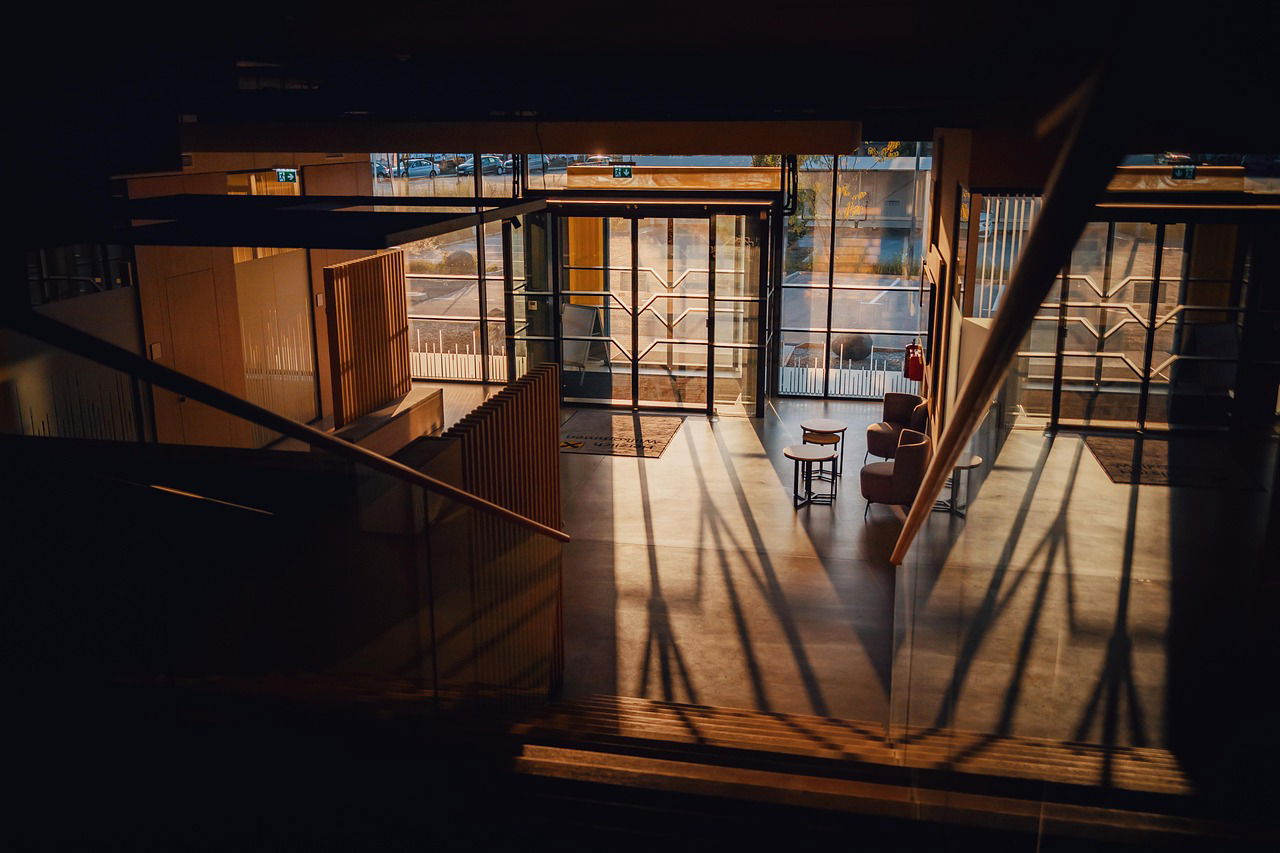
The evolution of home design has always been about finding more openness, light, and connection with the outdoors. Few elements achieve this as dramatically as panoramic doors, whether you call them sliding glass walls, bi-fold doors, or multi-slide systems.
These aren’t just fancy entryways. They’re moving partitions that fundamentally change the relationship between inside and outside.” This article explores how these installations transform homes and why they’ve become such a signature feature in contemporary design.
Maximizing Natural Light and Energy
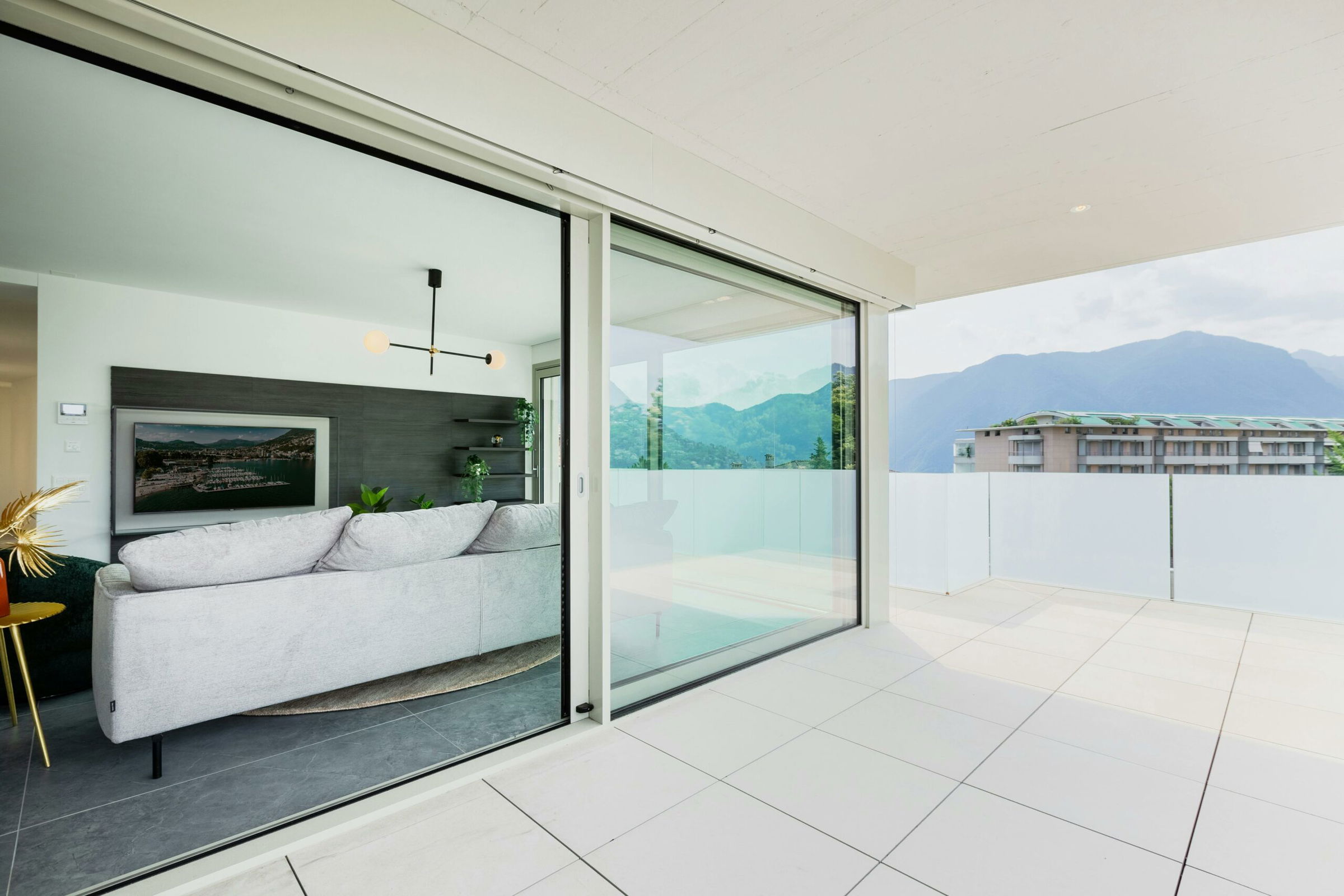
Natural light sits at the top of most homeowners’ wish lists, and for good reason. It has a real impact on our mood, productivity, and overall sense of well-being. Panoramic doors deliver on this better than almost any other feature.
A standard French door or sliding patio door offers limited glass area, with thick stiles and rails taking up valuable space. Panoramic systems work differently. They’re engineered to minimize the frame while maximizing the expanse of glass. When these doors are closed, they function as a continuous, floor-to-ceiling glass wall, flooding the interior with daylight.
This illumination drastically reduces the need for artificial lighting during the day, which directly contributes to lower energy consumption. Beyond that, the strategic placement of these doors can capture solar gain during colder months, helping to warm the space naturally. The psychological effect of living in a constantly sunlit space is significant. Rooms feel brighter, cleaner, and inherently more inviting.
Seamless Indoor-Outdoor Flow
The real magic of a panoramic door system lies in its ability to completely vanish, creating an unparalleled sense of spatial freedom. When fully retracted (whether stacked neatly to the side in bi-fold systems or disappearing into a wall pocket in multi-slide systems), the threshold between the interior living room, kitchen, or dining area and the patio, deck, or garden dissolves entirely.
This seamless connection instantly merges two distinct environments into one cohesive, extended living space. For entertaining, this transformation is revolutionary. A cramped indoor gathering instantly flows out to the deck, allowing guests to mingle effortlessly across both zones.
In residential design, this creates the coveted “California Room” or outdoor living space, making a small backyard feel like a natural extension of the home’s main living area.
This feature is particularly valuable in urban environments or smaller homes where every square foot of usable space is precious. The ability to completely open a wall fundamentally changes the function of the space, promoting alfresco dining and a lifestyle centered on outdoor enjoyment.

Get Inspired: Check out our Remodel Services.
Creating the Illusion of Space
Architects and designers frequently use visual tricks to make interiors appear larger than they are, but panoramic doors offer one of the most impactful solutions available. The reason is simple. By replacing an opaque barrier (a solid wall) with a transparent one (the glass wall), the eye travels uninterrupted from the interior out to the landscape.
This uninterrupted sightline incorporates the entire depth of the garden, patio, or surrounding scenery into the room’s perceived dimensions. A standard 12×15-foot living room, when opened to a 10-foot deck, visually transforms into a 12×25-foot space. Even when the doors are closed, the expansive view and the sheer height of the glass panels (which often run from floor to header) draw the ceiling up, giving the impression of a taller, grander room.
Enhancing Aesthetic Value and Resale Potential
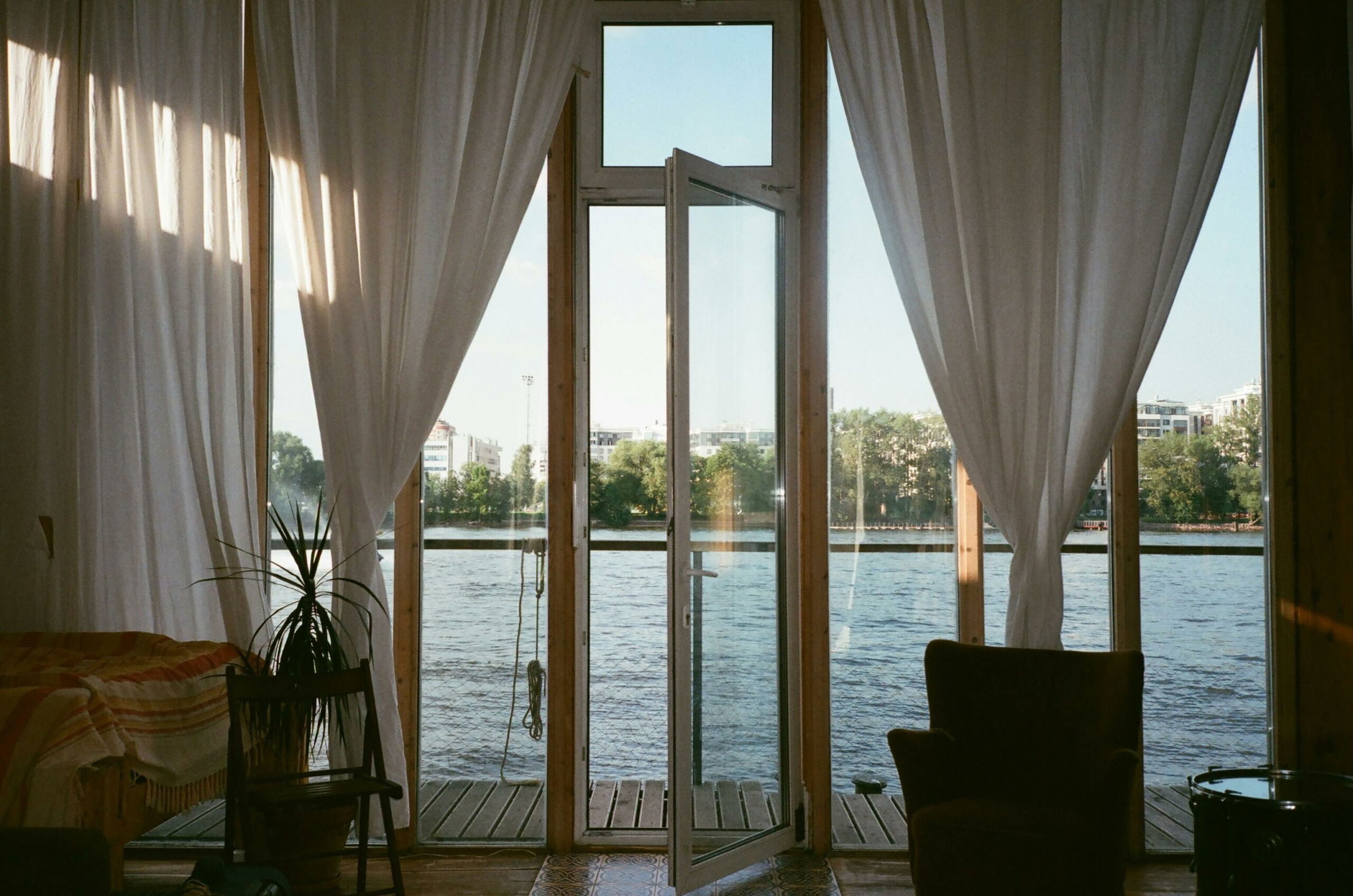
In the competitive real estate market, certain architectural features act as instant differentiators. Panoramic door systems are unequivocally one of these high-impact features, providing an undeniable “wow factor” that appeals to modern buyers.
From an aesthetic standpoint, the clean lines, large glass expanses, and minimal framing perfectly align with minimalist, contemporary, and mid-century modern architectural styles. They offer a sleek, sophisticated alternative to bulkier, traditional frames. They are, in essence, a piece of architectural sculpture that enhances the home’s façade.
The investment in a high-quality, structurally sound panoramic system is often recouped through increased resale value. Buyers recognize these doors as a premium upgrade, equating them with luxury living, energy efficiency (due to modern glazing technology), and superior quality construction. The feature transforms a basic home into a destination, making it a powerful selling point.
Advanced Engineering and Thermal Performance
A common misconception is that massive glass walls compromise a home’s energy efficiency or security. Modern panoramic door systems have addressed these concerns through advanced engineering and materials science.
Today’s systems utilize state-of-the-art Low-E (low-emissivity) coatings and argon gas-filled double or triple-pane glass units. These features dramatically improve the system’s U-factor (rate of heat transfer), ensuring excellent thermal performance. The glass efficiently blocks heat transfer during the summer while retaining warmth during the winter, often making them more energy-efficient than a standard framed wall.
In terms of operation, the engineering is precise. Multi-point locking mechanisms ensure superior security, while the track systems (whether top-hung or bottom-rolling) are designed for incredibly smooth, almost effortless operation.
The frames are typically constructed from thermally broken aluminum, vinyl, or wood-clad composites, offering durability, minimal maintenance, and superior insulation performance over time.
Versatility Across All Architectural Styles
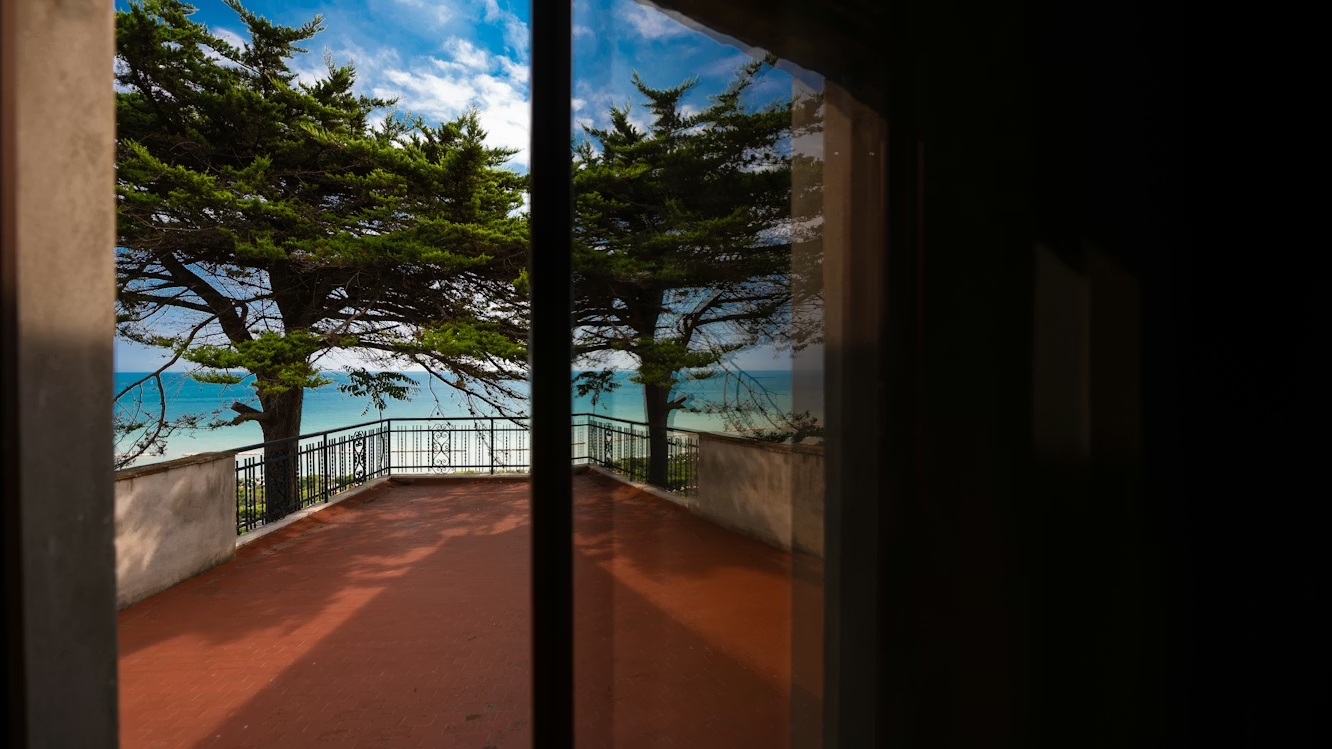
While panoramic doors are most commonly associated with modern, sleek designs, their versatility allows them to be successfully integrated into almost any architectural style, from rustic farmhouses to traditional colonials.
- Bi-Fold Doors: Excellent for creating an accordion-style opening, often used in spaces that favor a European or contemporary aesthetic, folding neatly away to one side.
- Multi-Slide Doors: Ideal for extremely wide openings, with panels that stack neatly within the sightline or disappear entirely into a wall pocket, favoring a clean, American-modern or West Coast style.
- Lift-and-Slide Doors: Engineered for heavy, large panels, these doors lift slightly off the track before sliding, offering a weather-tight seal when locked down, making them suitable for demanding climates.
The choice of frame material (like dark bronze aluminum for industrial looks, or wood cladding for traditional homes) and finish allows the system to be customized to complement the existing architecture. This proves that the effect of panoramic doors is accessible to every type of home design seeking an upgrade in light, flow, and drama. The transformative nature of these installations is not restricted by existing architectural constraints. Rather, they redefine the potential of the space they inhabit.
Invest in Panoramic Doors
Investing in panoramic doors is an investment in a lifestyle, one defined by light, connection, and open-plan living. They can elevate a home from a structure that simply shelters you to a dynamic, ever-changing living environment that connects you to the world outside.
If you are ready to explore how a stunning panoramic door system can revolutionize your home’s design, flow, and value, trust the experts in custom construction and installation.
Renotight Construction specializes in the precision integration of high-performance glass wall systems, ensuring flawless execution from concept to completion. Contact us today at info@renotight.com