

Construction projects don’t exist in isolation. Your renovation affects everyone within sight and sound of your property, creating disruption that tests even the best neighbor relationships.
How you manage these relationships often determines whether your project proceeds smoothly or becomes mired in complaints, disputes, and potential legal complications.
Understanding the Impact of Construction on Your Neighbors

Disruption Beyond Your Property Line
Construction noise, dust, traffic, and visual disruption extend well beyond your property boundaries, affecting neighbors who had no say in your decision to renovate. Early morning equipment noise interrupts sleep schedules.
Delivery trucks block street access. Construction dust settles on neighboring vehicles and outdoor furniture. The cumulative effect over weeks or months creates understandable frustration among neighbors dealing with the consequences of decisions they didn’t make.
Recognizing the legitimacy of neighbor concerns, even when you’re legally entitled to proceed, establishes the foundation for managing relationships successfully. Your neighbors aren’t being unreasonable when they’re annoyed by disruptions affecting their daily lives.
Different Impact Levels
Construction impact varies significantly based on project scope, property proximity, and neighborhood density. Single-family homes on large lots create less disruption than townhouses sharing walls.
Whole-house renovations generate more sustained impact than kitchen remodels. Understanding your project’s specific impact level helps you calibrate your communication and mitigation efforts appropriately.

Courtesy Protocols That Preserve Relationships
Early Notification and Communication
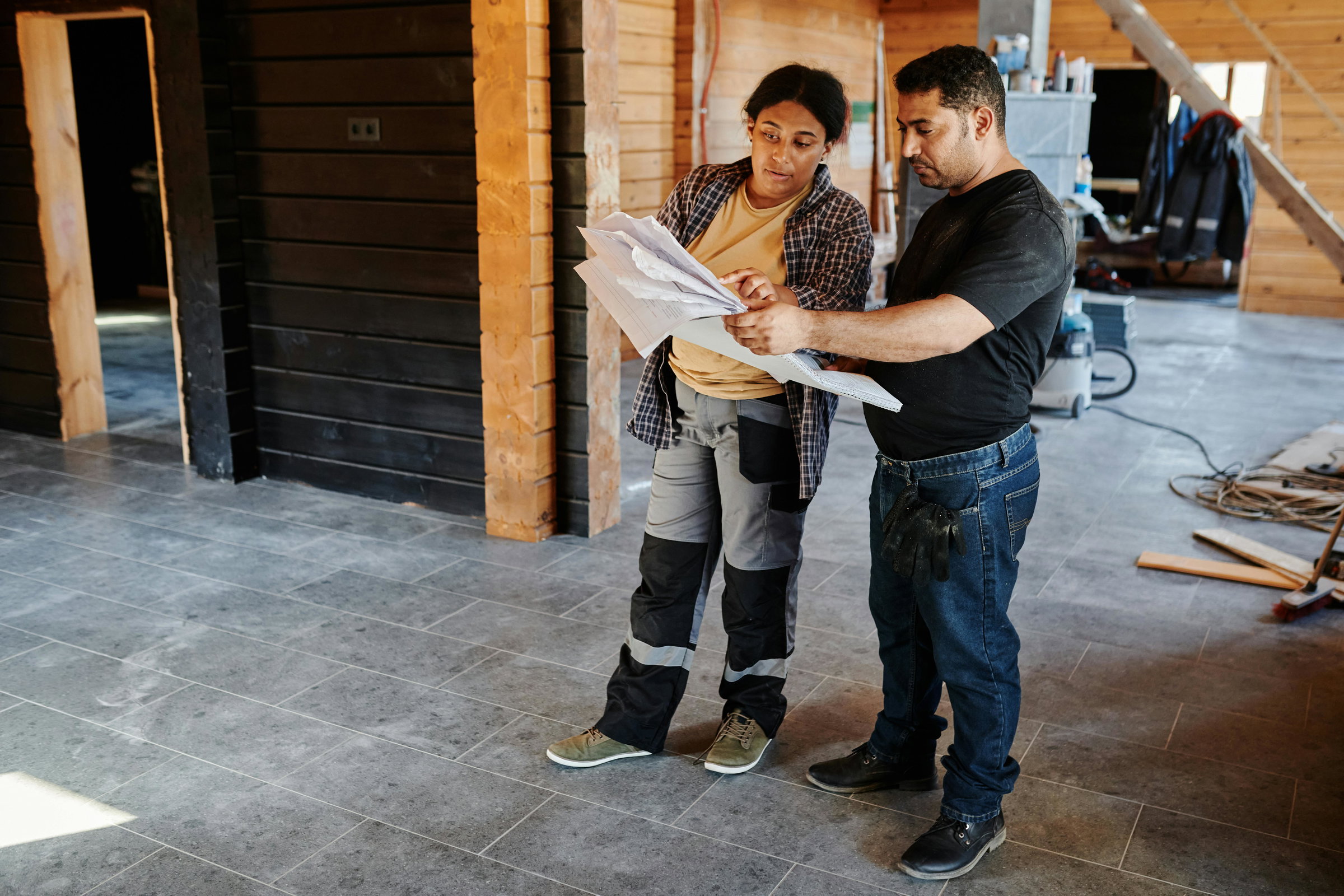
Informing neighbors about upcoming construction before work begins demonstrates respect for their need to plan around disruption.
This advance notice allows neighbors to adjust schedules for important events, prepare their properties for potential dust impacts, and mentally prepare for the disruption period ahead.
Effective notification includes project timeline, expected noise levels, work hours, and your contact information. Walking over to speak with immediate neighbors personally shows more consideration than simply leaving notes in mailboxes.
This personal approach gives you the opportunity to address questions and concerns before they escalate.
Establishing Direct Communication Channels
Providing neighbors with direct contact information prevents frustration from building when issues arise. Give neighbors your phone number or email, along with your contractor’s contact information, so they can reach someone immediately when problems occur.
Respond promptly when neighbors reach out with concerns. Even if you can’t immediately solve their problem, acknowledging their message and explaining what you’re doing to address the issue maintains goodwill. Ignored complaints almost always escalate into bigger problems.
Managing Work Hours Appropriately
Adhering strictly to local ordinances governing construction hours represents the minimum legal requirement, but going slightly beyond these minimums often pays significant dividends.
If local law permits 7 AM starts but your neighbors include shift workers who sleep late, consider negotiating 8 AM starts on certain days.
Weekend work deserves special consideration since most neighbors count on weekends for rest and outdoor enjoyment. Limiting weekend construction to absolute necessities and keeping weekend hours shorter than weekday schedules shows respect for your neighbors’ time.
Parking and Access Management
Construction vehicles and worker parking can quickly consume limited street parking that neighbors rely on.
Work with your contractor to develop parking plans that minimize impact on neighbor access. This might include renting nearby parking spaces, coordinating carpools among workers, or scheduling deliveries during off-peak hours.
Ensure delivery trucks and equipment don’t block driveways or create access problems. Coordinate large deliveries in advance and have workers available to move vehicles quickly if access issues arise.
Legal Obligations and Requirements
Local Permit and Notification Requirements
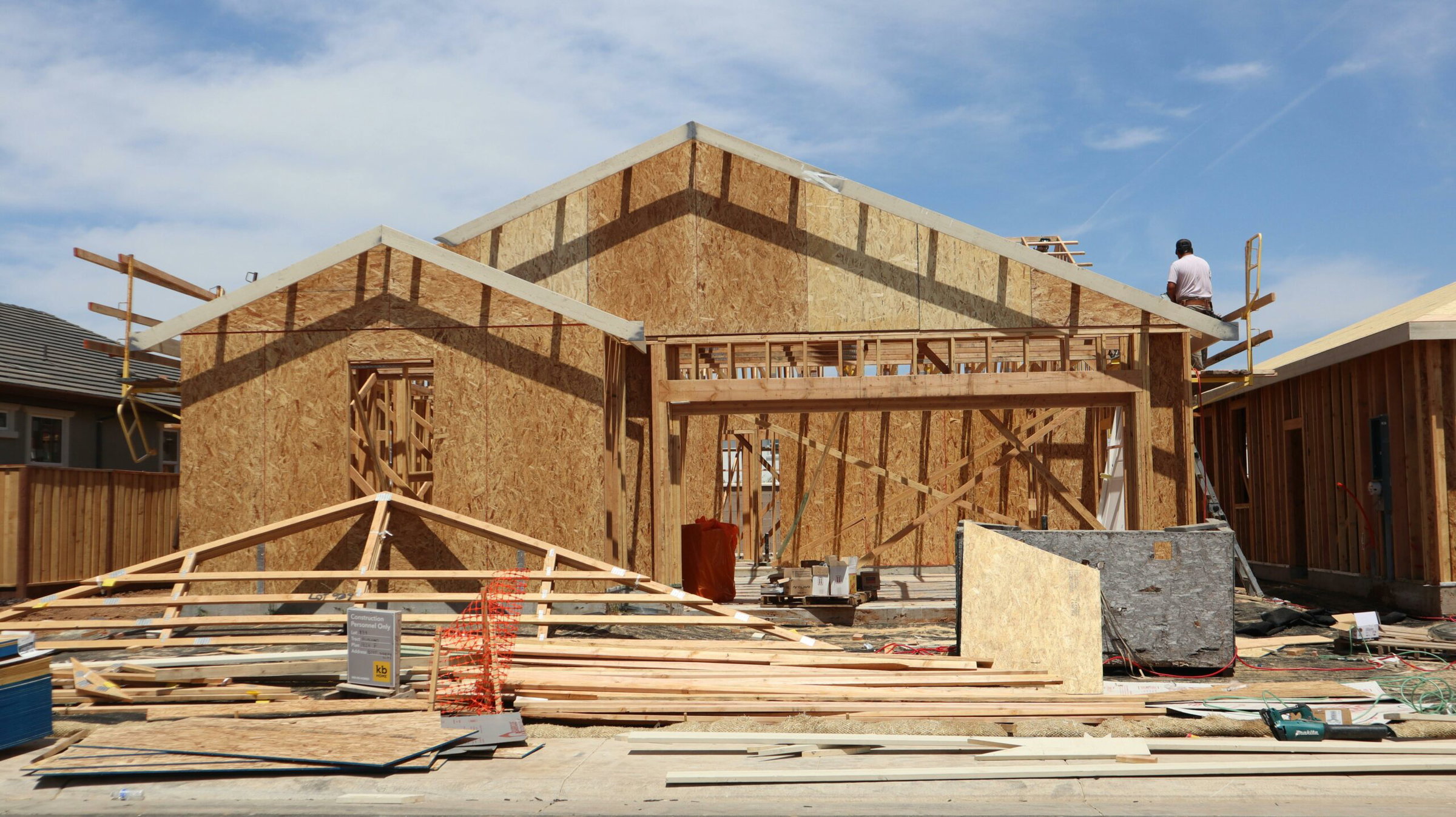
Many jurisdictions require formal notification to adjacent property owners before issuing construction permits.
These legal requirements represent minimums that protect neighbors’ rights to be informed about nearby construction. Familiarize yourself with local requirements and ensure full compliance.
Some areas require posted notices at the property informing passersby about permitted construction work. These public notices must be maintained properly throughout construction.
Noise Ordinance Compliance
Local noise ordinances typically specify permitted construction hours and sometimes maximum decibel levels. These laws balance property owners’ rights to improve their property against neighbors’ rights to reasonable peace and quiet. Violating noise ordinances exposes you to fines and potential stop-work orders.
Understanding specific restrictions in your area prevents violations that damage relationships and create legal complications. Some neighborhoods have stricter rules than general municipal codes, particularly in planned communities or historic districts.
Boundary and Property Line Protections
Construction activity must remain on your property unless you’ve secured explicit permission from neighbors for the temporary use of their land. Equipment, materials, worker access, and even debris should not encroach on neighboring properties without prior agreement.
Consider hiring surveyors to clearly mark boundaries before construction begins if any uncertainty exists. This upfront investment prevents disputes that can halt construction and permanently damage neighbor relationships.
Liability and Insurance Considerations
Your construction activity creates potential liability for damage to neighboring properties. Ensure your contractor maintains adequate insurance covering property damage and verify that your own homeowner’s policy covers construction-related incidents.
Document property conditions before construction begins through photos or video of neighboring properties, particularly areas close to your construction zone. This documentation protects you from false claims while providing evidence if legitimate damage occurs.
Damage Prevention and Resolution
Proactive Protection Measures
Taking proactive steps to prevent damage to neighboring properties demonstrates respect and reduces conflict potential. This includes installing protective barriers, using dust control measures, and securing loose materials that could blow onto adjacent land.
Discuss potential concerns with neighbors before construction begins. If a neighbor worries about damage to a fence line or specific plantings near your construction zone, work with your contractor to implement extra protections.
Monitoring for Unintended Impacts
Regularly check for construction impacts extending beyond your property. Look for dust accumulation on neighbor vehicles, debris that has blown into yards, or any damage to shared fences or structures. Addressing these issues immediately before neighbors need to complain preserves relationships.
Some impacts aren’t immediately visible. Tree roots can be damaged by excavation near property lines. Foundation work can potentially affect adjacent structures in ways that only become apparent over time.
Responding to Damage Claims
When neighbors report damage they believe your construction caused, respond seriously and promptly, even if you’re skeptical. Schedule immediate inspection of the reported damage with your contractor and insurance representative if warranted.
Document everything thoroughly, including the reported damage, your investigation findings, and any remediation steps taken. If your construction clearly caused damage to the neighbor’s property, accept responsibility and make prompt repairs.
Attempting to avoid responsibility for obvious construction damage destroys relationships and often costs more through disputes than simply fixing the problem immediately.
Special Considerations for Shared Properties

Shared Wall Properties
Townhouses, condominiums, and other properties sharing walls with neighbors require extra consideration since construction impacts are more direct. Vibration from demolition travels through shared structures. Noise penetrates party walls.
Early detailed discussion with neighbors sharing walls becomes essential. Explain specific work that will affect shared structures and negotiate appropriate times for particularly disruptive activities.
Commercial Properties
Commercial construction affects neighboring businesses differently from residential areas. Revenue losses from reduced customer access represent real damage. Maintaining clear customer access to neighboring businesses, providing advance notice of disruptions, and timing major work to minimize business impact helps preserve relationships.
Protecting Your Investment Through Good Neighbor Relations
Managing neighbor relations effectively protects your project from complaints that can delay work, legal challenges that create expense, and long-term relationship damage that affects your ongoing comfort in your community.
The investment in considerate communication and proactive problem prevention pays returns far exceeding the modest effort required.
Ready to work with a contractor who understands that neighbor relations matter? Partner with RENOTIGHT Construction and experience construction management that respect both your goals and your community. Contact us today at(480) 261-0197, email us at info@renotight.com, or visit us at www.renotight.com to discuss your project.